Presentation Techniques: 5 Game-Changing Tips That Pros Use
For most people, "presentation" means one thing: PowerPoint. When you search for presentation techniques, you're often just looking for software hacks. How can you create a stunning, custom deck as quickly as possible? How do animations work? How do you insert eye-catching charts?
That’s a completely understandable starting point. Today’s presentations are built with digital tools, and technical know-how is a key part of effective communication.
The problem is, most presentations don’t fail because of poor software skills. They fail due to a lack of strategic thinking and core competence. The idea that giving a great presentation is a matter of talent is a myth. You don’t have to be a genius to be a great speaker! The reality is that a truly persuasive presentation isn’t the result of a single skill, but rather the synergy of several. These are the very presentation techniques that can be developed through professional training.
Want to take your and your team's presentation skills to the next level? For over a decade, we've helped companies deliver their messages with impact. With our support, our clients have secured over €275 million in funding.
👉 Contact us for a no-obligation consultation and find out how you can achieve your goals.
👉 Our Training Modules
👉 Details on Our Presentation Training
Presentation Techniques #1 – The Technical Fundamentals
Technical knowledge is indeed important. A strong command of PowerPoint or other presentation software significantly impacts the speed and quality of your work. If you know the software inside and out, you can work faster, create more visually coherent slides, and avoid the common mistakes that make a presentation look amateurish.
That's why Pitch Experts' professional presentation training includes a "PowerPoint Essentials" module. This isn't just a technical tutorial; it's a new approach to using the software that helps systemize your workflow. Participants learn how to use templates, build visually consistent decks, and produce presentations faster and more efficiently.
However, technical skill is just the foundation. The real power of a presentation lies in the thinking behind it.
Presentation Techniques #2 – The Art of Structure
The most critical presentation technique isn't visual — it's logical. We call it Storylining. Storylining is the process of building your presentation's structure. It determines the order of your information, how you build your argument, and how you guide the audience from a starting point to a decision.
Many people think that creating a presentation begins with designing the slides. In reality, the process starts much earlier. First, you must map out your line of reasoning: What is the problem? What is the proposed solution? And what are the consequences of the decision? Without this logical framework, a presentation quickly becomes a confusing data dump. That’s why storylining is a central element of most professional presentation training.
Presentation Techniques #3 – The Language of Slides
One of the most common presentation mistakes is the "wall of text." When this happens, your slides function like documents, filled with long sentences, detailed explanations, and overloaded bullet points. This doesn't help the audience.

The technique of Slidewriting teaches you how to distill complex information into a clear and understandable form. A good slide doesn't try to say everything; it supports the speaker's core message. In slidewriting, one of the most important questions is how much information actually belongs on a single slide. The answer, in most cases, is far less than you think. The goal isn't to maximize the amount of information but to maximize comprehension.
Presentation Techniques #4 – The Power of Story
Storytelling is one of the most potent tools in business presentations. But this doesn't mean telling dramatic tales or trying to be as entertaining as a stand-up comedian or a blockbuster movie. The real goal is to make information meaningful.
A story helps put data into context. It shows why the problem you're presenting is important and how it impacts the organization or the market. A well-crafted story helps the audience connect the dots and makes your core message memorable.
For those who want to dive deeper into this method, specialized storytelling workshops are also available, focusing specifically on developing narrative presentation skills.
Presentation Techniques #5 – The Art of Delivery
The final impact of your presentation depends on the presenter. This technique deals with developing your stage presence. It includes your use of voice, pacing, body language, and your connection with the audience.
Many believe that being a good speaker is about having a charismatic personality. In truth, stage presence is a skill that can be learned. Structured speech, deliberate emphasis, proper pacing, and even non-verbal communication are all techniques that can be improved with practice. A presentation becomes truly persuasive when the speaker confidently commands the audience's attention.
Contact Pitch Experts today for a no-obligation consultation!

Presentation Techniques – An Integrated System
As you can see, presentation techniques are not isolated tricks; they are parts of a system. Technical software skills, logical structure, the language of your slides, story, and stage presence all combine to form the competence that enables truly effective presentations.
This is why professional training programs don't focus on a single technique. The goal is to give participants a holistic understanding of how a presentation functions as a business communication process.
👉 Dive deeper into what separates mere tricks from the real techniques that command attention!
Presentation Techniques in Practice – Why Training Works
Most presentation techniques sound logical on the surface. The structure should be clear, the slides should be easy to understand, the story should provide context, and the speaker should be confident. The real challenge isn’t understanding the theory, but applying it.
Most business presentations become cumbersome because the creator is trying to play too many roles at once: analyst, strategist, copywriter, graphic designer, and public speaker. In this complex process, it's easy to lose focus. The presentation becomes either too detailed or, conversely, too simplistic.
A key value of presentation training is that it integrates these different techniques into a cohesive system. Participants don't just learn isolated tips; they understand how the techniques connect. Storylining defines the logical arc, slidewriting shapes the message, storytelling provides context for the data, and delivery brings the entire structure to life.

This approach is especially critical in corporate environments, where a presentation is often not a one-time event but part of a longer decision-making process. The slides later serve as documents that can be forwarded or used as the basis for a future meeting. When presentation techniques become a conscious system, creating presentations becomes not only more efficient but also more predictable. You know exactly what steps to follow and how to transform a complex business problem into clear, persuasive communication.
The Presentation as a Decision-Making Tool
In the business world, a presentation is rarely just about sharing information. It's about driving decisions — which ultimately means it's about money and revenue. Approving a project, adopting a new strategy, or making an investment decision are all shaped by presentations. The stakes are real: effective presentation techniques are not just communication tools, they are decision-making tools.
Anyone who can structure their thoughts clearly, create understandable slides, place data within a narrative framework, and deliver a message with confidence gains a significant advantage in business communication.
👉 Discover our use cases for corporate-branded presentation templates!

Master Template
A11

PowerPoint Master Template
GovRadar

Master Template
Mazars

Playbook
ZUCKER.
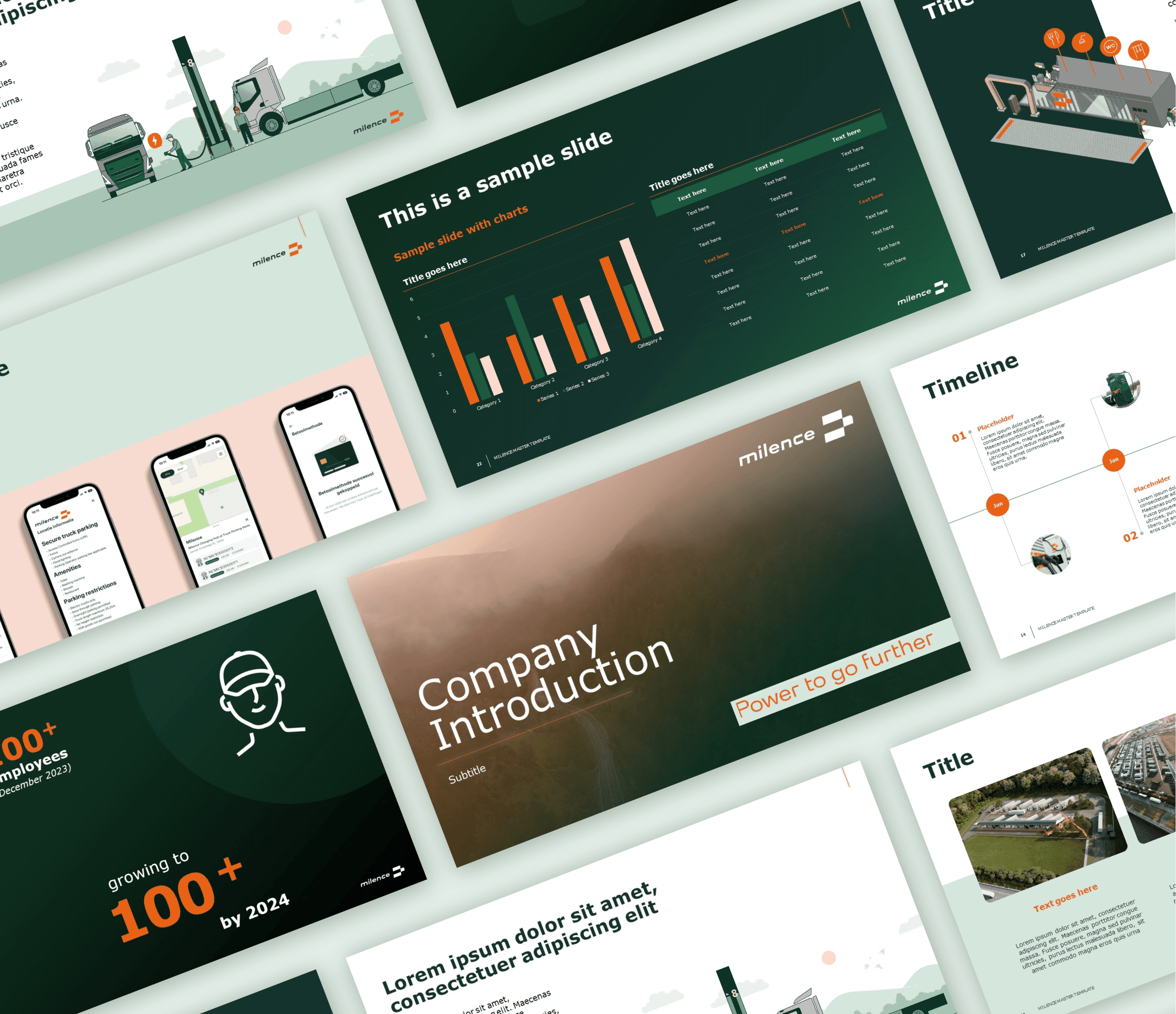
Storytelling & Animations
Milence
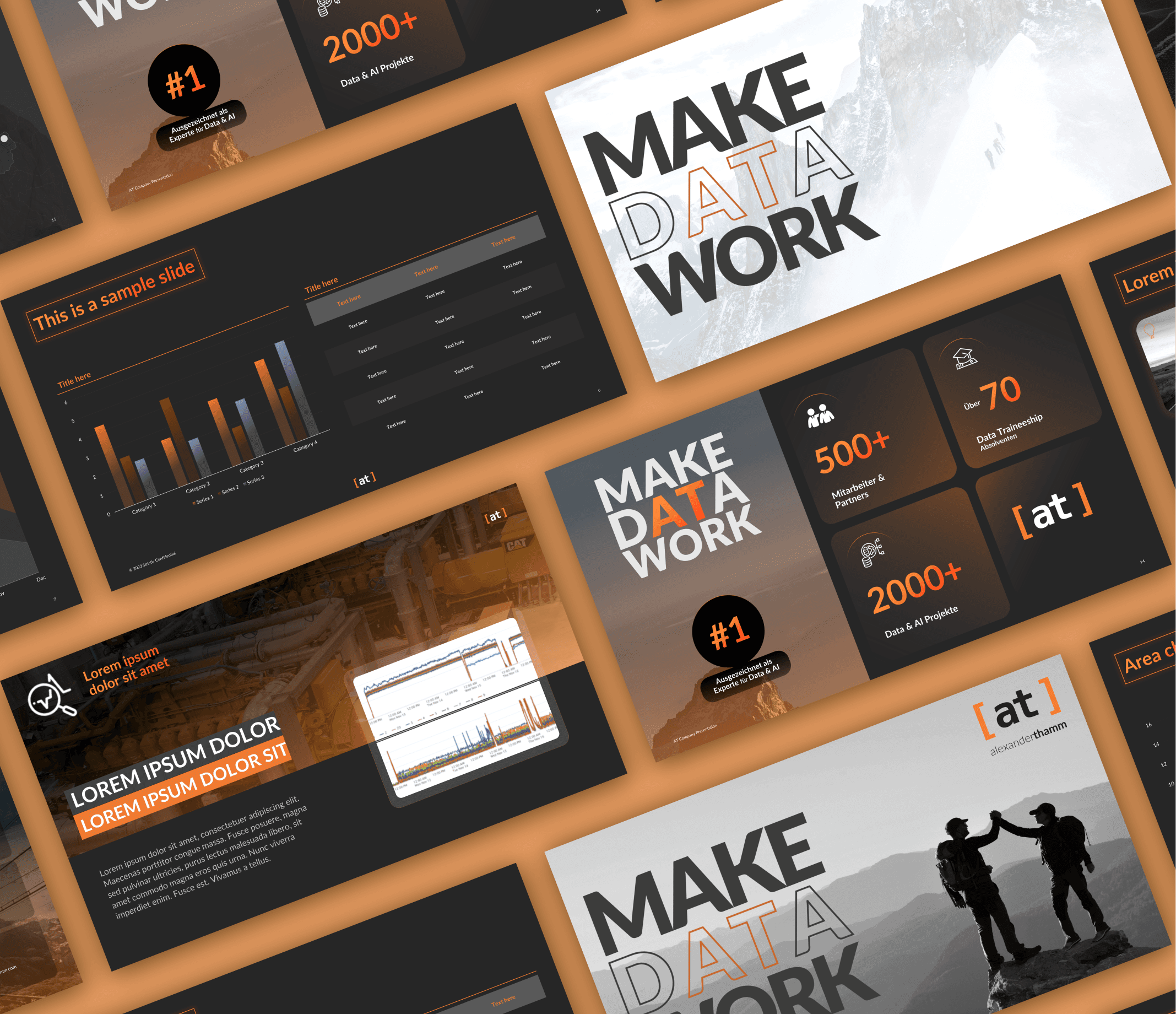
Master Template
Alexander Thamm
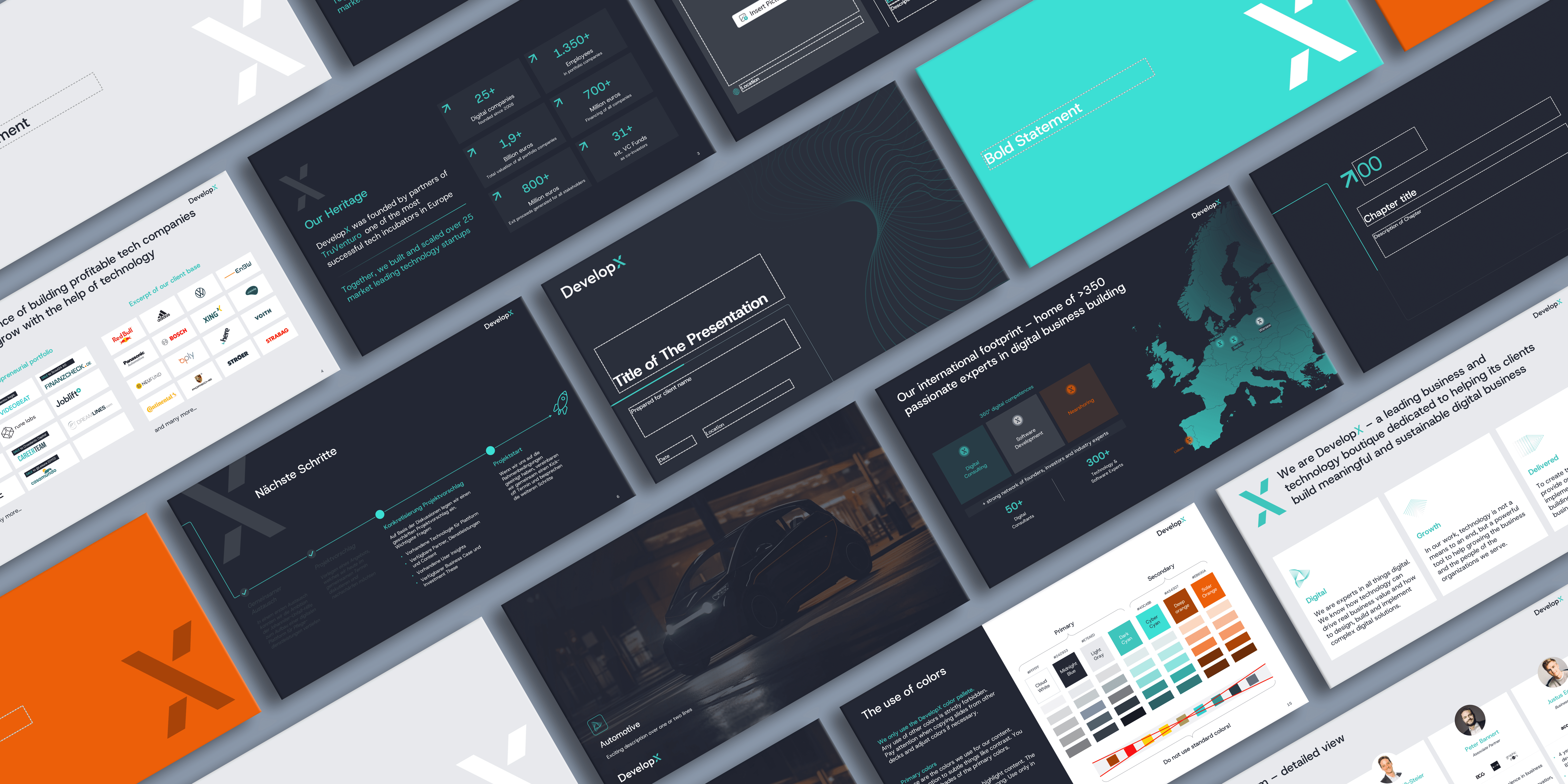
PowerPoint Master Template + Company Presentation
DevelopX

Master Template, Storytelling
Genioo

Investor Deck
Airtime
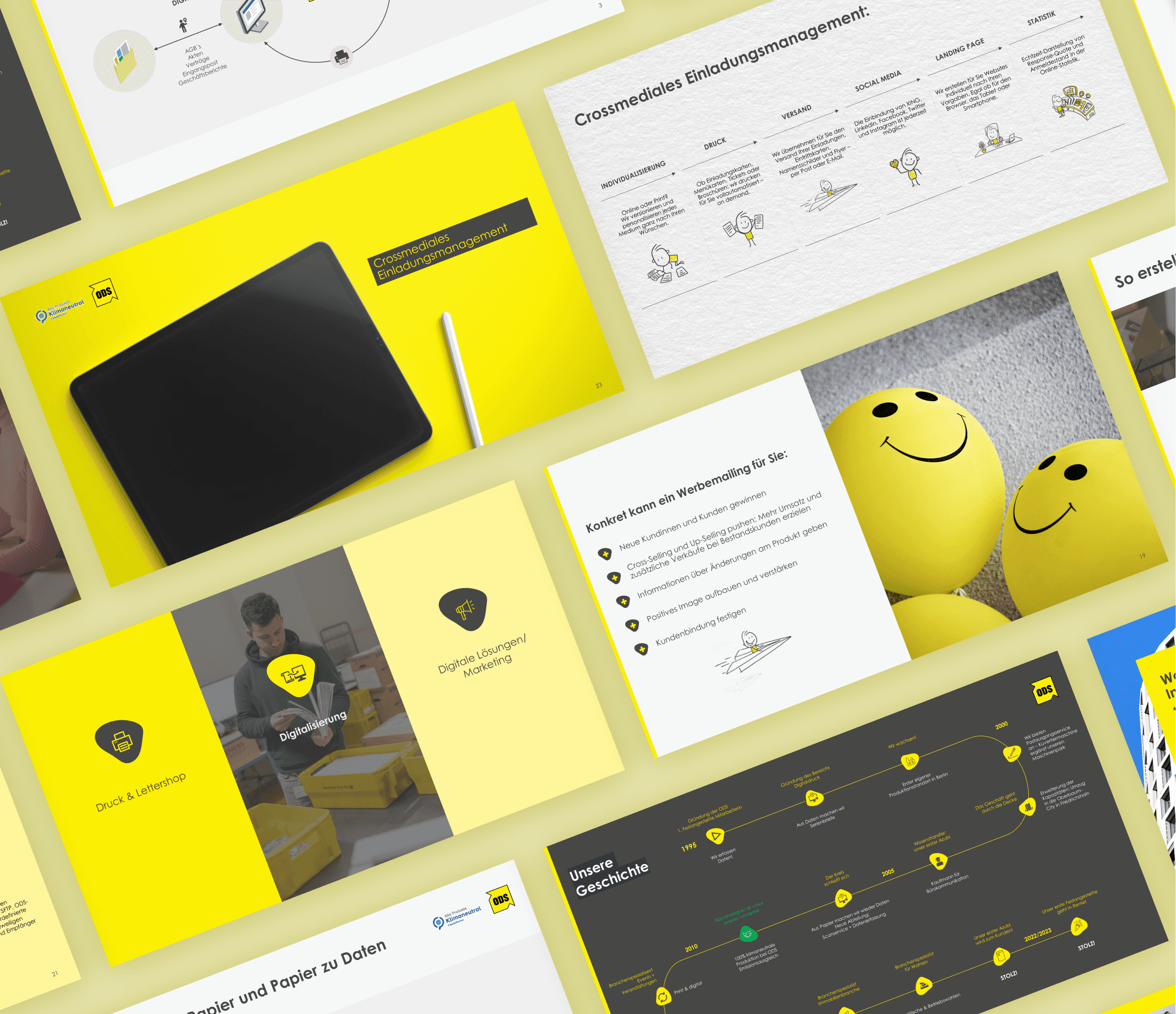
Storytelling & Playbook
Office-Data-Service
Presentation Techniques – The Foundation of Confident Communication
A great presentation is rarely an accident. Behind almost every persuasive talk are consciously applied good presentation techniques. Structure, story, visual clarity, and stage presence work together to create an experience where the audience doesn't just receive information, but understands its meaning and feels empowered to make a decision.
Presentation training is therefore not just public speaking practice; it is a skill-development process that helps you organize your thinking and transform business messages into conscious communication. When these techniques truly come together, a presentation is no longer a burden, but one of your most powerful tools for professional persuasion.
👉 Learn more about Pitch Experts' presentation training!
👉 Meet the Pitch Experts team!
You might also be interested in these related articles on presentation techniques:
👉 Why You Need a Presentation Training
👉 How to Use a Presentation Template Perfectly
👉 Looking for Presentation Training in Munich?
👉 How to Give a Great Presentation
👉 How to Build a Modern Business Playbook
👉 How a Presentation Training Helps You
👉 Why You Need a Pitch Deck Design Agency
👉 The Legendary Uber Pitch Deck
Contact Pitch Experts today for a no-obligation consultation!