Presentation Techniques – Why Great Presenters Are More Than Just "Good Speakers"
Presentation techniques: Let’s explore how modern presentation skills became the most important tool for guiding attention, using visual rhetoric, and structuring business communication.
We all remember a presentation that was surprisingly easy to follow. It wasn't necessarily more entertaining or bombastic, and the speaker wasn't a world-class charismatic. The pitch was just... clearer. The audience was right there with the speaker, understanding why each piece of information mattered and what the key takeaway was in that moment. Complex ideas suddenly felt structured, and a complicated topic became understandable.
That experience is never an accident. In the vast majority of cases, it’s powered by a deep understanding of presentation techniques. And this gets to the heart of why so many people misunderstand the concept. The term presentation techniques is still often associated with communication tricks, a confident posture, or public speaking hacks. But modern presentation techniques are so much more. They are a complete system for guiding attention.

Presentation Techniques Are Not a Bag of Tricks
Many people still think of presentation skills as a collection of "hacks." They think of gestures, eye contact, a confident stance, or how to use their voice. Of course, these elements are important, but they are just one small piece of a much larger system. Modern presentation techniques are actually a structured communication methodology. They help you organize information, reduce the audience's cognitive load, and create a clear path for them to follow.
In this sense, a modern presentation is closely linked to the classic tradition of rhetoric. The goal of classical rhetoric was never just "beautiful speech." Rhetoric was always about guiding attention, structuring thoughts, and persuading. A modern business presentation does the exact same thing — just in a digital and visual environment. The presentation has become the modern form of rhetoric.
👉 The Secret Sauce: 7+1 Game-Changing Presentation Techniques to Wow Any Audience
Attention Is the Real Game
The biggest shift in today's business communication isn't in technology — it's in applied psychology. Today's audiences are constantly bombarded with information. Meetings, dashboards, emails, chat messages, reports, and app notifications are all competing for a slice of their attention. A modern presentation isn't just competing with other presentations. It's competing with the fragmentation of attention itself. This fundamentally changes the role of presentation techniques.
The goal is no longer just to transfer information. Information by itself is becoming a cheap commodity. The real challenge is for the speaker to cut through the noise and provide clear orientation for the audience. That’s why clarity has become the new secret weapon. Clearly connecting information to a core message requires a specific skill set. Presentation techniques are a definable and learnable body of knowledge, and their importance in modern business is only growing. The following sections break down the key elements of this skill set, based on the modules of Pitch Experts' presentation training.
👉 I want to learn more about Pitch Experts' 360-degree presentation training!
Storylining as an Architecture for Attention
One of the most critical modern presentation techniques is storylining. A good presentation isn't a random sequence of slides or a disconnected list of facts. It's a guided thinking process. Storylining ensures the audience always knows where they are, why the current information is important, and where the presentation is headed. It's the strategic tool that builds this structure.
In theory, every presentation starts here, as the speaker formulates the messages and logical steps to reach their goal. However, you don't always have to start from scratch. There are proven storylining frameworks. One of the most famous is the SCQA model — short for Situation, Complication, Question, and Answer. The presentation first establishes a baseline situation, then introduces a problem or tension. This naturally gives rise to a question, which the rest of the presentation answers. This structure works so well because it immediately activates attention. People are hardwired to seek resolution once they sense a problem.
Here’s a simple example: Our customer base is growing steadily. (Situation) Meanwhile, our onboarding time has increased by 40%. (Complication) How can we sustain growth if the system is already overloaded? (Question) The audience instantly gets the situation, the problem, and the relevance of the question. A seemingly trivial answer now becomes a game-changer: implementing an automated digital onboarding system is now a matter of survival.

Another proven storylining method is the Pyramid Principle, which is often used for high-stakes decisions. This framework starts with the most important statement or conclusion first, followed by the supporting arguments and details. This is especially crucial in modern executive communication, where leaders expect immediate relevance and clear priorities. These two examples show that storylining is much more than a simple script. It's the ability to craft an architecture for attention.
Slidewriting as a Cognitive Technique
Many people still treat their slides like visual notes or summaries. In reality, slidewriting is one of the most powerful cognitive presentation techniques. A good slide doesn't just show information—it helps the audience interpret it. This is most obvious with headlines. Weak presentations often use neutral, lazy titles: "Sales Results," "Market Overview," "Q3 Performance." Professional slidewriting, in contrast, makes assertive statements:
👉 Slidewriting – The Toughest Discipline in Any Presentation
"Customer Retention Became the Main Growth Driver in Q3." "European Expansion Exceeded All Projections." "Operational Delays Reduced Profitability Despite Rising Sales."
The difference is huge. The audience doesn't have to interpret the data on their own. The presentation itself guides their attention and understanding. This is why slidewriting reduces cognitive load and allows for faster processing.
Visual Hierarchy and Visual Rhetoric
A modern presentation operates in a visual space, not just a verbal one. That's why visual hierarchy has become one of the most essential presentation techniques. The audience needs to instantly see what to focus on first, what the most important element is, and how the pieces of information relate to each other. We call this visual rhetoric.
👉 Rhetorical Question: The Question That Needs No Answer
👉 10 Public Speaking Tips to Make Your Presentation More Than Just Pretty Slides
Just as classical rhetoric used language to guide thinking, today's presentation templates designed by a pitch deck design agency use visual rhetoric to guide attention through design, layout, typography, and data visualization. Good design isn't decoration or an attention-grabber. It's orientation. Professional presentation design doesn't want to draw attention to itself. It wants to make the message clearer. This is perhaps why modern PowerPoint design has changed so much in recent years. The visual noise, clutter, and effects of the past have been gradually replaced by cleaner, more focused, and structured visual communication. The role of design has shifted from decoration to communication.
👉 I'm interested in the presentation template use cases created by Pitch Experts!

PowerPoint Master Template
GovRadar

Master Template
Mazars

Playbook
ZUCKER.
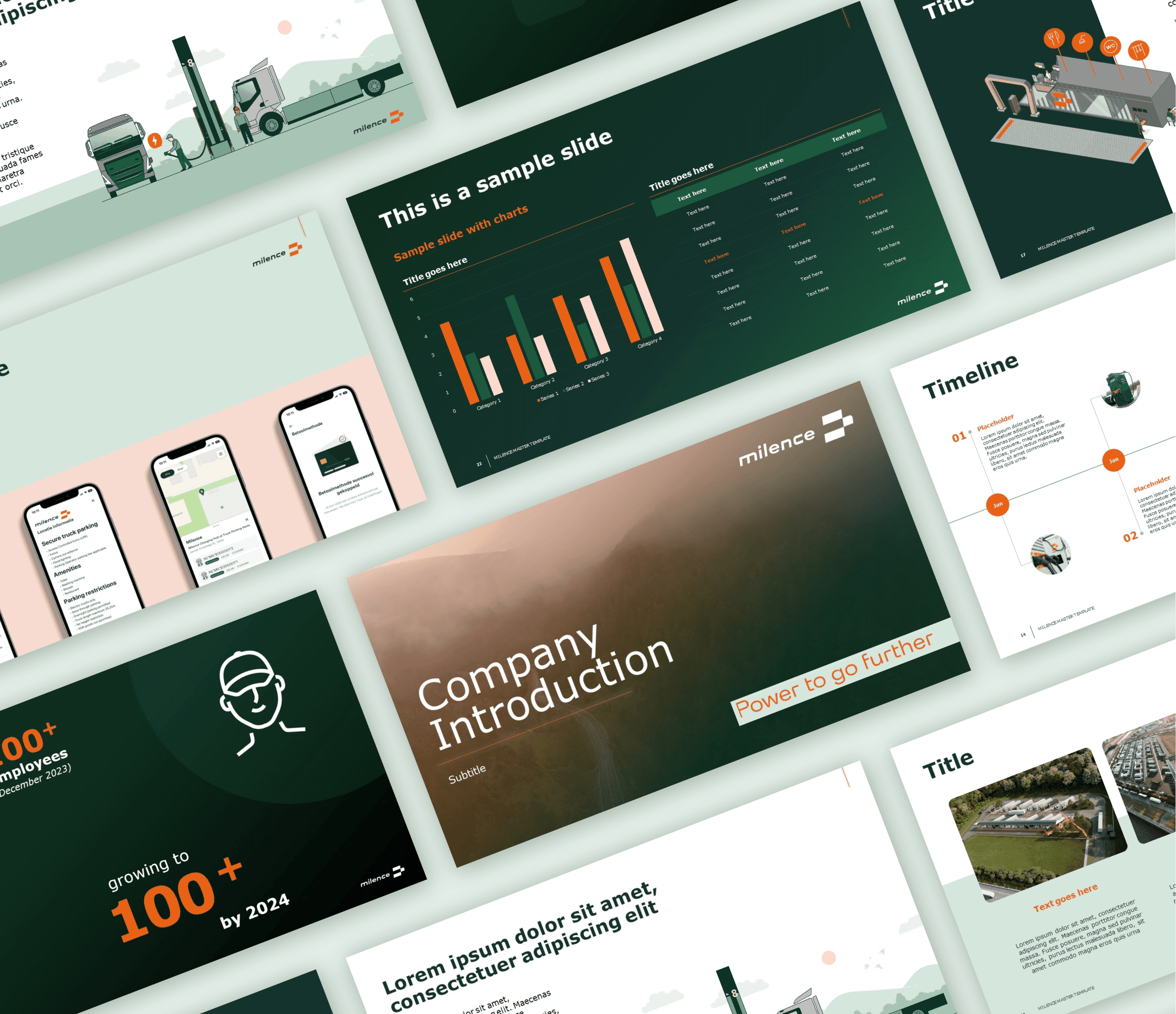
Storytelling & Animations
Milence
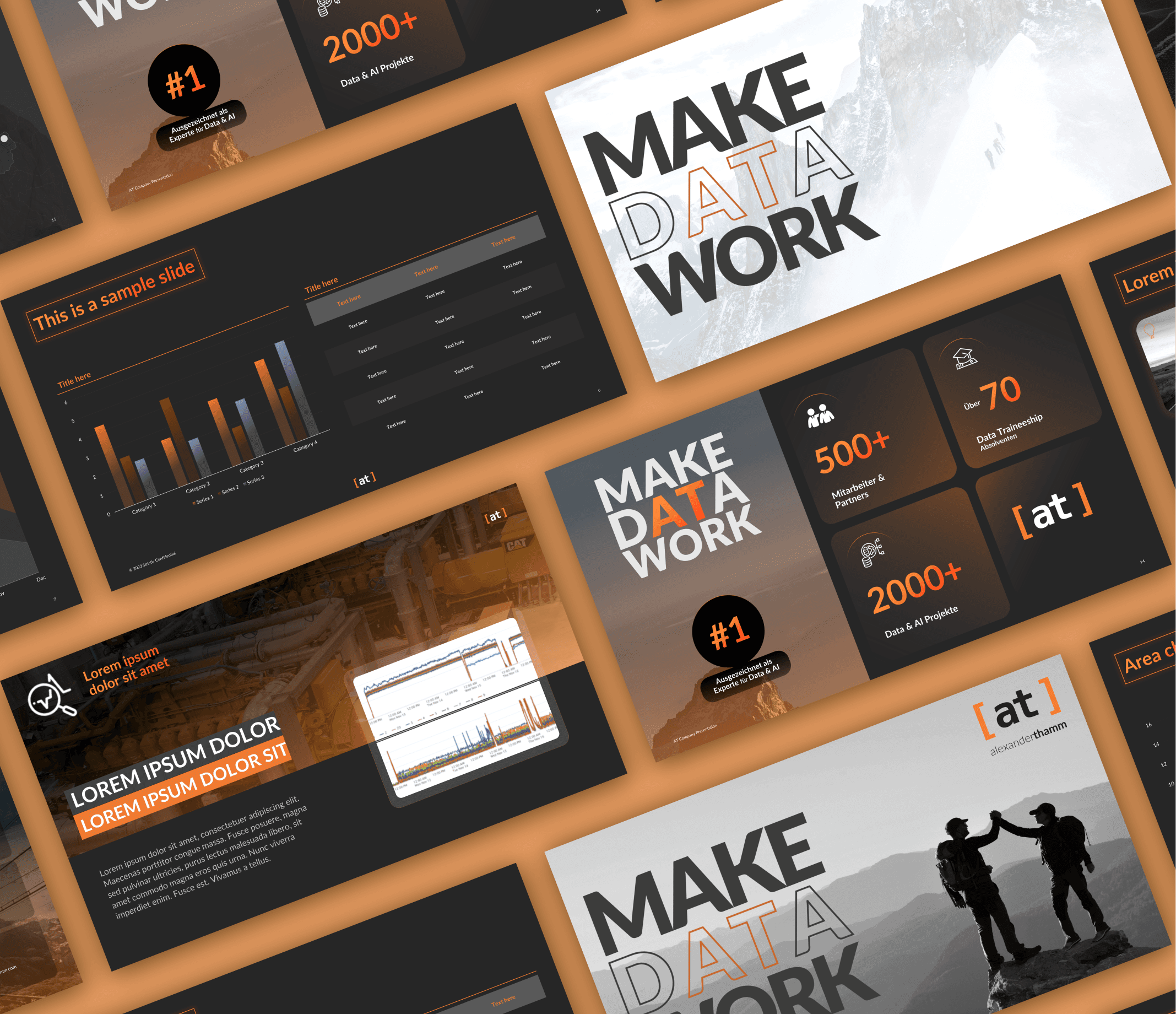
Master Template
Alexander Thamm
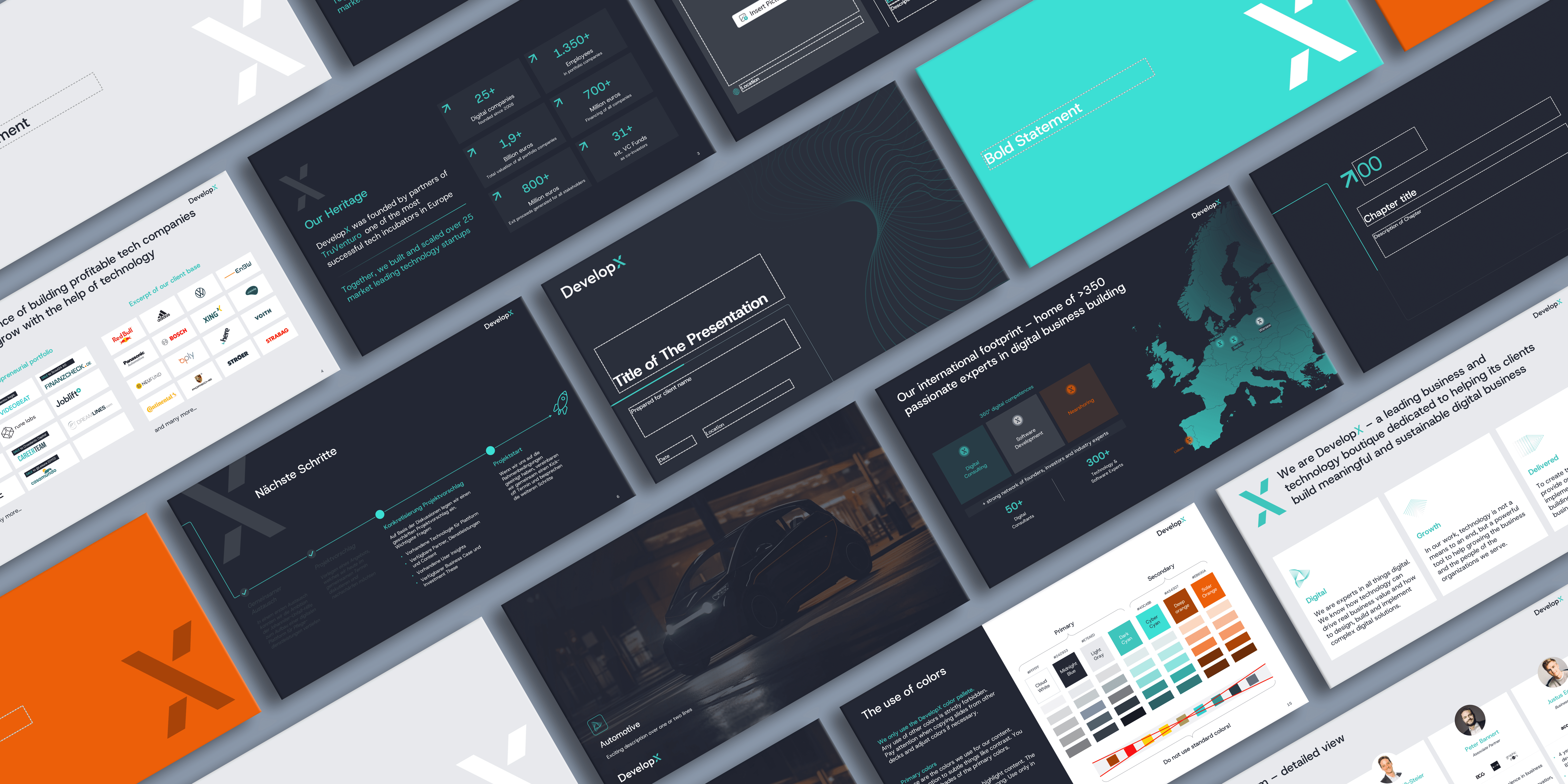
PowerPoint Master Template + Company Presentation
DevelopX

Master Template, Storytelling
Genioo

Investor Deck
Airtime
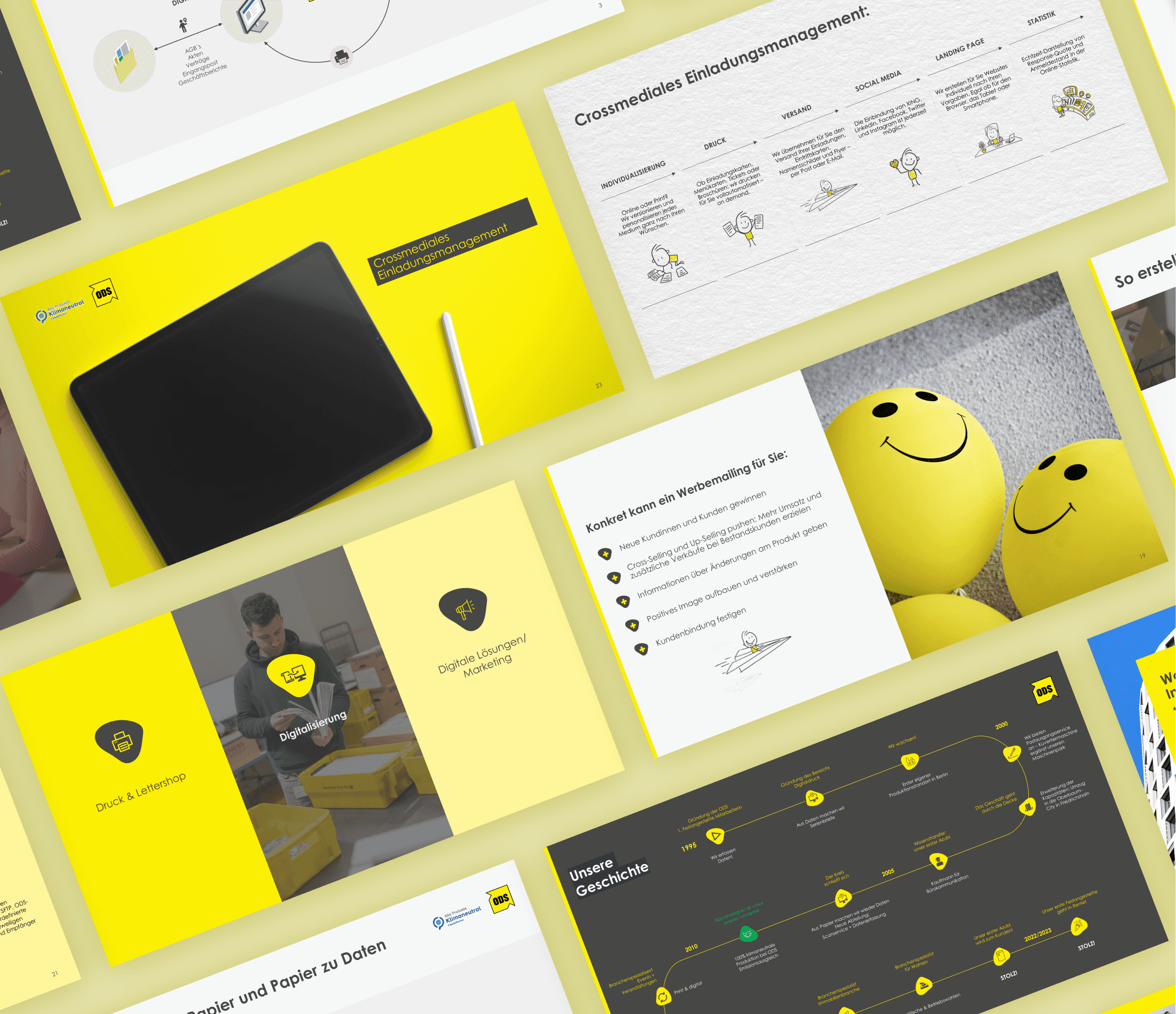
Storytelling & Playbook
Office-Data-Service
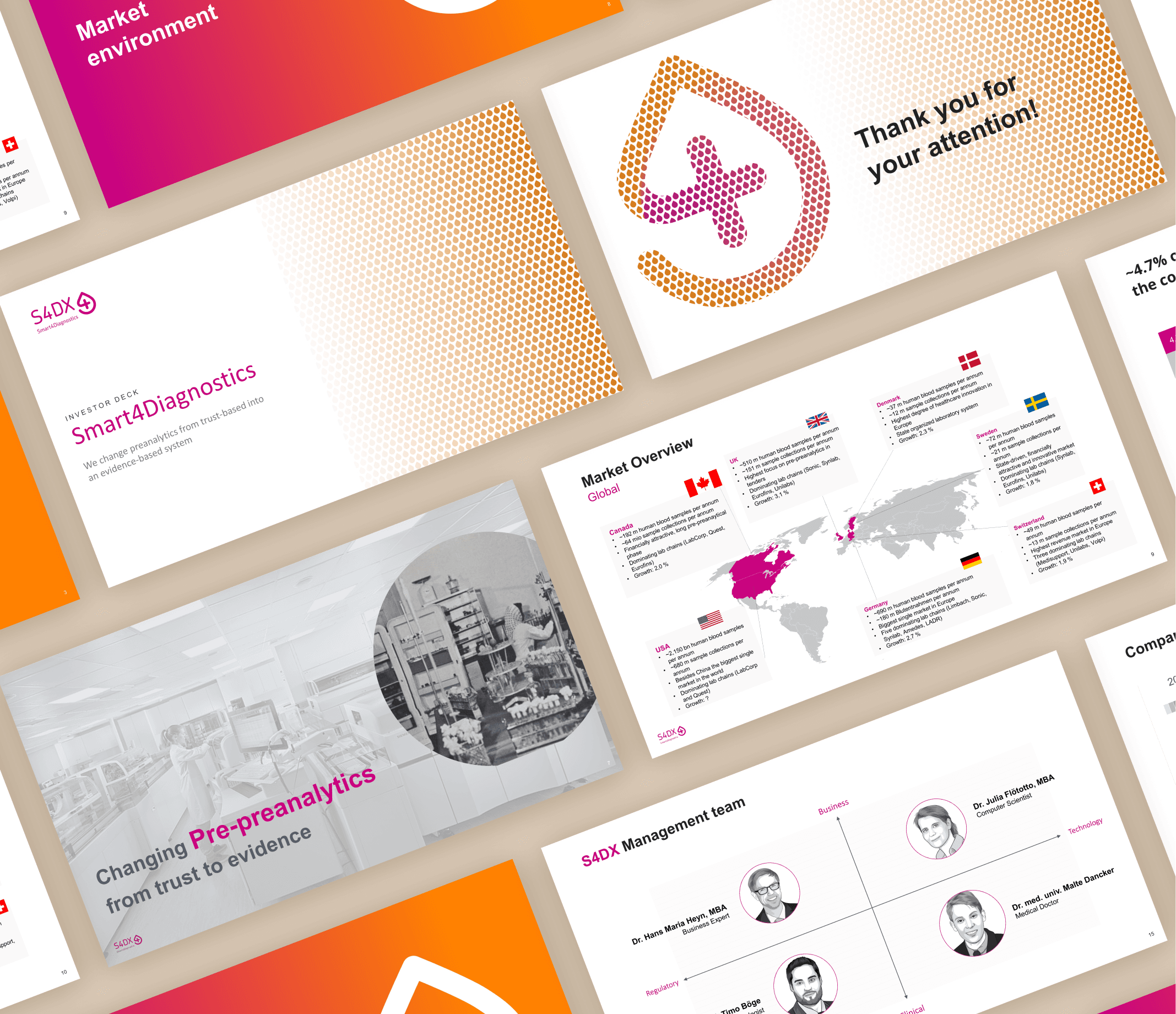
Investor Deck
Smart4Diagnostics
Storytelling Isn't Entertainment
Storytelling is another frequently misunderstood presentation technique. In a business presentation, the primary goal of storytelling isn't entertainment—it's orientation. Stories help create context around data. They add a human dimension to information and make abstract business problems easier to grasp. People respond naturally to stories because narrative structures create tension, curiosity, and an emotional connection. This is why a single, well-chosen example or mini-story can be far more powerful than ten slides of analysis. The Pitch Experts Storytelling Workshop is designed to build this exact skill.
Presenting Is About Managing Rhythm and Energy
Presenting isn't just about "good delivery" or a list of public speaking tips. Great presenters understand rhythm. They know when to slow down, when to create emphasis, and when to pause. Silence, tempo, and energy are all presentation techniques because they directly influence attention.
Many presentations become exhausting not because the content is bad, but because they have no rhythm. A good presenter constantly reactivates the audience's attention. Sometimes with a rhetorical question, sometimes with a contrasting statement, and sometimes with just a well-timed pause.
PowerPoint Essentials and Technical Confidence
Technical confidence is another underrated presentation technique. If the presenter is fumbling with the platform, the audience feels it instantly. Every technical hiccup creates friction and breaks the flow of attention. That's why the PowerPoint Essentials presentation technique module at Pitch Experts is so much more than simple software training. Professional slide construction, a consistent visual system, and a fast workflow directly improve the quality of communication, saving time, money, and energy. Technology is at its best when it becomes invisible, leaving only the message.
Level up with our online trainings:
👉 Online Training: PowerPoint Essentials
👉 Online Training: Slidewriting

Modern Presenting Demands New Skills
As presentations became more critical in business, a whole new skill set emerged. Storylining became the system for structured thinking. Storytelling supports context and emotional connection. Slidewriting evolved into a method for reducing complexity. Visual rhetoric connected design and attention in a new way. And executive communication prioritized a presentation logic tailored to leadership decision-making. A modern presentation skills course is therefore no longer simple public speaking coaching.
👉 The Public Speaking Coach: Your Partner in Business Thinking
It's an interdisciplinary field: a meeting point for rhetoric, business communication, visual culture, cognitive psychology, and strategic thinking.
The Paradox of the Modern Presentation
Modern technology gives presenters more tools than ever before. AI-powered slide generators, automated design systems, and intelligent templates make the technical creation of presentations easier and easier. Despite this, creating a truly effective presentation has perhaps never been harder. Why? Because, as mentioned, information is no longer the problem. The challenge is capturing the focused attention needed to process it. This is one of the key paradoxes of modern business communication. The more information surrounds us, the more vital presentation techniques become. Not because we need more content, but because we desperately need more clarity.
You might also find these articles interesting:
👉 Public Presentation Tips: 7 Ideas You Can Use Before Your Next Presentation
👉 Public Speaking Course: Classic Goals, Modern Tools
👉 Corporate Presentation — One-Time Cost, Lifetime Value
👉 How to Create a Sales Pitch?
👉 How to Use a Presentation Template Perfectly
👉 The Public Speaking Coach: Your Partner in Business Thinking
👉 PowerPoint designs – Where Visuals Serve Understanding