How How to Give a Great Presentation: 6 Steps to Plan the Perfect Pitch

Let's cut to the chase: giving a presentation can feel like walking a tightrope. On one side is the triumph of a message delivered with impact, a deal closed, or a team inspired. On the other? A lost opportunity, a disengaged audience, and the quiet hum of crickets. The difference isn't luck, it's preparation. In a world saturated with information, mastering how to give a great presentation isn't just a soft skill anymore — it's a power move. It’s your ticket to being heard above the noise.
How How to Give a Great Presentation: Find the Killer Strategy
But what does it really take to deliver a presentation that sticks? It’s about more than just reading off a slide deck. Whether you're rallying your team with a new strategy, pitching a game-changing idea to investors, or delivering a keynote on a massive stage, the core principles of effective communication remain the same. This isn't about becoming a different person, it's about finding your most authentic, powerful voice and pairing it with a killer strategy.

This article is your new playbook. We're going to break down the art and science of crafting and delivering a presentation — whether it's a strategy presentation, investor presentation, corporate presentation, or even a product presentation — that doesn’t just share information but creates an experience. We’ll guide you through a six-step framework that covers every base, from deep audience analysis to the final follow-up. This is your comprehensive guide on how to give a great presentation that not only gets a round of applause but achieves its ultimate goal. Let's dive in.
1. Know Your Audience: The Foundation of Every Great Presentation
Before you write a single word or design a single slide, you have to answer the most important question: who are you talking to? This isn't a trivial first step, it's the foundation upon which your entire presentation is built. A message that resonates with one group can fall completely flat with another. To truly connect, you have to step into their shoes.
Start with the basics. What’s their general demographic? What’s their role? What’s their level of seniority? But then, go deeper. What do they already know about your topic? What are their preconceived notions or potential biases? Most importantly, what do they need to know from you? Your goal isn’t just to talk, but to fill a knowledge gap, solve a problem, or inspire a new way of thinking. Your presentation should be a bridge from where they are to where you want them to be.
Consider the ultimate purpose of your pitch. Are you there to facilitate decision-finding, where you present options and guide a discussion? Or are you there for decision-making, where you need to build a rock-solid case for a specific course of action? The answer dramatically changes your approach, your tone, and the evidence you present. Knowing your audience is the secret to making them feel like you’re having a conversation, not delivering a lecture. When you show you understand their world, they’re far more likely to be open to yours.
👉 10 Public Speaking Tips to Make Your Presentation More Than Just Pretty Slides
2. Master Your Environment
Imagine this: you’ve perfected your content and rehearsed your delivery until it’s flawless. But you walk into the room and the projector is incompatible with your laptop, the screen is an awkward ultrawide format that warps your slides, and there’s no microphone for the large space. Suddenly, your perfect presentation is derailed by logistics. This is why mastering your environment is a non-negotiable part of knowing how to give a great presentation effectively.
Location
The setting dictates the delivery. Are you on a large stage where you can move freely to command attention? Or are you in an intimate meeting room where a more conversational, one-on-one style is appropriate? Is it a virtual presentation where you need to be extra engaging to keep eyes from wandering to another browser tab? Each scenario requires a different performance. For a stage, you’ll need bigger gestures and more dynamic movement. For a boardroom, subtle facial expressions and direct eye contact are key. Online, your vocal variety and on-screen presence are paramount.

Technical Settings
Never underestimate the tech. If you can, visit the venue beforehand. Test the connections, check the screen resolution and aspect ratio, and get a feel for the room’s acoustics. If you’re presenting online, do a full tech run-through. Test your camera, your microphone, your lighting, and the presentation software. Have a backup plan for everything — a PDF version of your slides, a spare adapter, even a hotspot on your phone in case the Wi-Fi fails. When you walk in or log on completely confident in your technical setup, you free up all your mental energy to focus on what truly matters: connecting with your audience and delivering your message with power.
3.Engineer the Takeaways
A presentation without clear, memorable takeaways is just noise. Your audience is constantly being bombarded with information, and their attention is finite. Your job is to be the signal in that noise. You can’t expect them to remember everything, so you have to strategically decide what you need them to remember.
Start by defining your core message. If your audience were to walk away and tell a colleague about your presentation, what is the one sentence you’d want them to say? This is your North Star. Every story, every data point, and every slide should serve this core message. Once you have it, identify three to five key supporting points or "highlights." These are the pillars that hold up your main idea. They provide the structure for your narrative and give your audience a mental map to follow.

To make these messages stick, you need to reinforce them. Tell them what you’re going to tell them, tell them, and then tell them what you told them. This classic advice works. Introduce your key messages in your opening, dedicate a section to exploring each one in detail, and then summarize them powerfully in your conclusion. But don’t just state them, bring them to life. This is where storytelling elements become your secret weapon. Use compelling images, short and impactful videos, audience polls, or rhetorical questions to make your key messages not just heard, but felt. This is a crucial skill for anyone serious about how to give a great presentation that drives action.
4. Crafting a Visual Experience
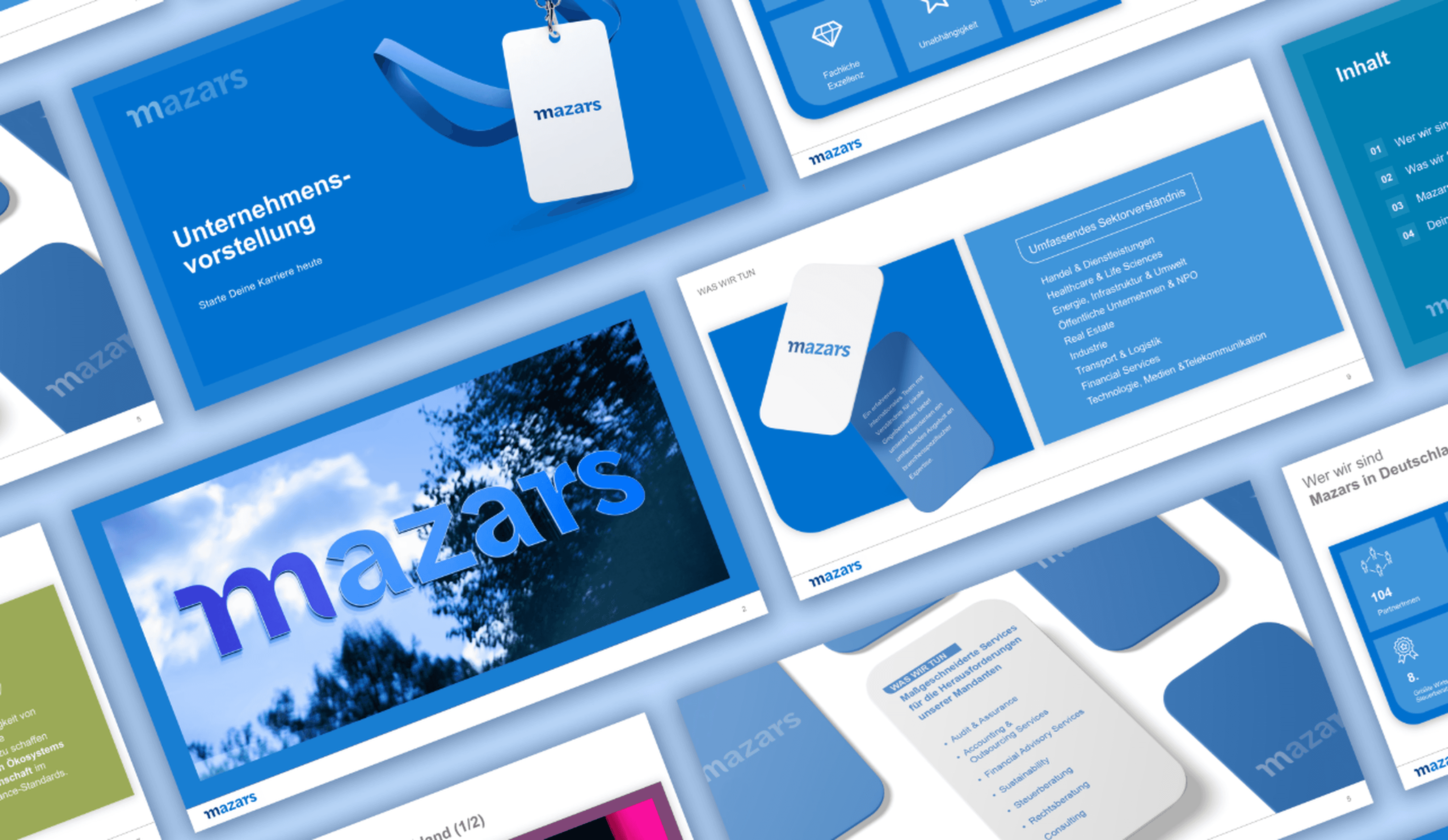
In the modern business world, your slides are more than just a backdrop, they are a critical part of the communication experience. Poorly designed visuals can actively undermine your credibility and distract from your message. But a strong, clean, and professional design can elevate your words, clarify complex ideas, and make your entire presentation more engaging and persuasive.
Think of your slides as your visual storytelling partner. The golden rule is "less is more." Avoid cramming your slides with text. They are a supplement to your spoken words, not a script for you to read. Use high-quality images, simple charts, and single, powerful words or phrases to reinforce your key points. Your audience should be able to grasp the meaning of a slide in a few seconds, allowing their focus to return to you, the presenter.
This is the difference between an amateur and a professional approach. It’s about creating a cohesive visual narrative that feels intentional and polished. The right design choices — from a consistent color palette and clean typography to the strategic use of white space — build a sense of authority and make your content easier to digest. Mastering the visual element is a game-changer if you want to understand how to give a great presentation with maximum impact.
👉 Dive deeper into what separates mere tricks from the real techniques that command attention!
Your presentation’s design is a direct reflection of your brand’s professionalism. If you want to ensure your pitch looks as powerful as it sounds, the team at Pitch Experts can help. With over 15 years of experience as a leading presentation design agency, we transform ideas into visually stunning and persuasive experiences. Don’t let your message get lost in a mediocre design. Contact us today to learn more and explore our portfolio of success stories.
👉 Explore our use cases
5. Focus on Your Best Presentation Skills: Deliver with Authenticity
You can have the most brilliant content and the most beautiful slides, but if the delivery falls flat, the presentation fails. This is where you, the presenter, come in. Your passion, your energy, and your authenticity are what will ultimately sell your ideas. The most effective presenters aren’t trying to be someone they’re not; they’re leveraging their own unique strengths.
Are you a natural storyteller? Weave a compelling narrative through your presentation. Are you great with data? Use clear, insightful visualizations to make the numbers speak for themselves. Are you a charismatic and energetic speaker? Use that energy to captivate the room. Lean into what makes you, you. Authenticity builds trust, and trust is the currency of persuasion. Trying to adopt a persona that isn’t genuine will come across as forced and will create a barrier between you and your audience.
Of course, even natural talent needs refinement. Rehearsal is not about memorizing a script, it’s about internalizing your material so deeply that you can speak about it with conversational ease. Practice your timing to ensure you hit your key points without rushing or dragging. Record yourself — it might feel awkward, but it’s the single best way to spot awkward gestures, verbal tics (like "um" and "ah"), and areas where your energy drops. Rehearse in front of friends or colleagues and ask for honest feedback. Polishing your delivery is a vital part of learning how to give a great presentation that commands attention from start to finish.
👉 Public Presentation Tips: 7 Ideas You Can Use Before Your Next Presentation

Getting honest feedback from friends is a crucial step, but taking that feedback to the next level is what separates good presenters from great ones. At Pitch Experts, our presentation training is designed to do exactly that. Our program features a dedicated 'live presenting' module where you deliver your presentation in a safe, constructive environment and receive expert feedback from coaches who have spent over a decade honing presentation skills. But we don't stop there. We build your confidence from the ground up, covering everything from the art of compelling storytelling to the fundamentals of effective PowerPoint design.
If you're ready to transform practice into performance, reach out for a no-obligation consultation and discover how we can help you become the presenter you were meant to be.
👉 Explore our training modules
6. Plan the Follow-Up: Keep the Momentum Going
The presentation doesn’t end when you say "thank you." In many cases, the most crucial phase begins right after you leave the stage or log off the call. A well-executed follow-up strategy can be the difference between a presentation that inspires fleeting interest and one that leads to a tangible outcome — a signed contract, a project greenlit, or a lasting partnership.
Your follow-up should be planned with the same care as your presentation itself. The first step is the Q&A session. Frame it not as a test, but as a conversation. Welcome questions and listen carefully. Your answers are an opportunity to reinforce your key messages and address any lingering doubts. What happens immediately after? Do you have materials to hand out or email? A one-page summary, a copy of the slide deck, or a link to a detailed report can be an invaluable resource for your audience, keeping your message top-of-mind.
Finally, think about connection. How will you stay in touch? If appropriate, connect with key audience members on LinkedIn with a personalized note referencing your presentation. Send a follow-up email within 24 hours, thanking them for their time and reiterating your call to action. This final step is often overlooked but is essential for converting the energy you created in the room into real-world results. A thoughtful follow-up demonstrates professionalism and reinforces that your presentation was the start of a valuable conversation, not the end. It’s the final piece of the puzzle in mastering how to give a great presentation from start to finish.
Conclusion: From Preparation to Profit
Mastering these steps is the key to delivering a perfect presentation that truly makes an impact. For over 15 years, Pitch Experts has been dedicated to helping our partners achieve success through world-class presentations. In that time, our custom-designed investor presentations, pitch decks, and comprehensive training programs have helped our partners raise over €275 million in capital. There is no clearer proof of our effectiveness in this field.
If you are striving for the perfect presentation, contact us with confidence.
Let's start a conversation.
We're happy to answer any and all of your questions.
Further reading to perfect your presentation:
👉 Presentation Techniques: What's the Secret to a Compelling Presentation?
👉 The Public Speaking Coach: Your Partner in Business Thinking
👉 How to use a presentation template perfectly
👉 The Uber pitch deck
👉 The Airbnb pitch deck