How to Write a Sales Pitch? The Writing Comes Last
How to write a sales pitch? As the question implies, most people begin the presentation process by writing. But a successful sales pitch doesn’t start with sentences. It starts with a deep understanding of the problem, the audience, and the decision at hand. We’ll show you how Storylining, Storytelling, Slidewriting, and Presenting come together to create a truly credible sales presentation.
The term “sales pitch” seems straightforward enough. It can take many forms, from a specific product presentation or a high-stakes investor pitch deck to a broad corporate presentation. You have a product, service, or solution you want to present to a potential client. You write the presentation, arrange your arguments, create the slides, and deliver your material. For most people, this is how a sales pitch works. And that’s why the most common question is: how to write a sales pitch?
But the question is misleading. Not because it’s a bad question, but because it assumes a sales pitch is primarily a writing task. The truth is, most unsuccessful sales pitches don’t fail because they’re poorly written. They fail because the writing started too soon.
The Biggest Misunderstanding About Sales Pitches
For decades, classic marketing and advertising were built on giving products an emotional meaning. Commercials don’t just show cars. They show freedom. They don’t offer watches, they offer success and a sense of arrival. A phone isn’t just a phone, it’s a lifestyle. This approach slips a new “transfer layer” between the product and reality: a story, a desire, an identity. While this logic can be incredibly effective in consumer marketing, business presentations are a different game.
In a sales pitch, the audience isn’t necessarily looking for an identity, they’re preparing to make a decision. They might be looking for a solution to a problem, weighing a risk, or deciding on an investment. During a sales pitch, they are fundamentally trying to understand the value of a service. The bigger the stakes, the more important reality becomes. This is where the pivot happens, distinguishing a credible sales pitch from a mere sales talk. In short: a good sales pitch doesn’t pull the product away from reality – it brings it closer.
Ready to Make Your Pitch Unforgettable?
Whether you need to perfect a PowerPoint or Google Slides presentation, or you want to level up your team’s presentation skills, Pitch Experts is here to help. With 15 years of experience, we’ve helped our clients raise over $300 million in capital.
👉 Get in touch for a no-obligation consultation and let’s make your next presentation your best one yet!
Let's start a conversation.
We're happy to answer any and all of your questions.
The Sales Pitch Is Not About the Product
At first glance, this sentence might seem contradictory. After all, the whole point of a sales pitch is to present a product or service. Still, it’s worth pausing for a moment. When your audience is watching a presentation, they aren’t primarily interested in the product itself. They’re interested in how it fits into their reality. How it connects to their problems, their goals, and their past decisions. That’s why a sales pitch is ultimately not about the product – it’s about their reality.
In this sense, a product or service is nothing more than a series of claims about the world. It claims that a problem exists, defines its importance, and then claims to have a solution. It even claims that this solution works. It’s crucial to understand that during a sales pitch, the audience isn’t just examining the product, they are examining these claims.
Why Most Sales Pitches Fail
Most sales pitches try too hard to persuade because they don’t trust reality enough. That might sound strange at first, but as a Pitch Deck Design Agency we see it all the time. The presenter tries to emphasize the benefits, inflate the importance of the product or service, and exaggerate the results.
At a certain point, the presentation is no longer about the connection between the problem and the solution. It becomes about the force with which the presenter is trying to pull the audience toward them. A credible how to write a sales pitch approach, on the other hand, starts from the premise that if the problem is real and the solution genuinely works, the presentation’s job isn’t to manipulate or replace reality, but to make it visible. This isn’t a passive stance. On the contrary, it requires immense professional confidence – the kind of calm that isn’t afraid to show the product in its natural environment.
👉 How to Make a Pitch Deck: The 3-Dimensional Method of Professional Agencies
👉 How to Create a Sales Pitch?

The Trap of the Seller-Buyer Dynamic
The classic sales situation is typically defined by the relationship between three actors: the seller, the buyer, and the product. Most sales presentations stay within this triangle. The seller talks, the buyer listens, and the product sits in the spotlight. However, this setup often triggers a defensive reaction. The audience feels they are being persuaded. They feel that someone is trying to influence them. And, of course, the weight of their decision is always on their mind.
A good sales pitch steps out of this role-play at a certain point. Not because the sales situation disappears, but because the presenter becomes part of the buyer’s investigation. They don’t say, “Let me tell you why this is good for you.” They say, “Let’s look at how this works together.” This difference might seem small, but it fundamentally changes the dynamic of the communication.
The Audience Must Become a Witness
There’s an image that might describe this difference well. A bad sales pitch shoves the monitor in the audience’s face. It pushes the product closer, talks about it louder, writes its benefits in bigger letters, and stresses its importance more forcefully. A good sales pitch, in contrast, steps closer to the audience. It doesn’t push the monitor forward.
Instead, the presenter steps off the stage, stands next to the audience, and looks at the same screen with them. At that moment, the product is no longer the presenter’s property, their interest, or their claim. It becomes a part of the reality they are examining together.
The audience then becomes not just a recipient of the sales pitch, but a witness to it. A witness to the connection between the problem and solution becoming visible. A witness to whether the product or service can truly fulfill the role the presenter has assigned to it. And here’s the key: a witness makes a decision very differently than someone who is being sold to. For a more detailed analysis on this I recommend reading the works of Daniel Kahneman.

Storylining: The Logic of the Decision
From this perspective, you can truly understand the role of Storylining, a central module of the Pitch Experts presentation skills training. Storylining isn’t just about shaping the structure of the presentation. It’s actually about creating the logic of the decision. The audience is constantly asking questions. What’s the problem? Why is it important? Why now? What happens if we do nothing? Why does the proposed solution work? Why should I trust the presenter? Good Storylining answers these questions – not all at once, but in the same order the audience thinks. This is why success isn’t determined by the number of slides or the length of the presentation, but by its ability to guide the audience down the path to a decision.
Storytelling: The Human Side of the Decision
Decisions are rarely made on logic alone. Even in the most complex business situations, people are the ones making the calls. People with their own experiences, fears, hopes, and expectations. Consequently, our Storytelling Workshop is important not just because the skill “spices up” a presentation, but because it makes it human. It helps show how the problem appears in reality, makes the consequences tangible, and creates points of connection. Storytelling doesn’t replace arguments, it brings them to life.
👉 10 Public Speaking Tips to Make Your Presentation More Than Just Pretty Slides
Slidewriting: When Words Clarify Reality
As we’ve seen, the text of a how to write a sales pitch is far more than just stringing sentences together. Good Slidewriting doesn’t try to sell aggressively, create an effect at all costs, or pretend to be smarter than it is. Its task is simpler and harder at the same time: it aids understanding. A good slide works not because it’s creative, but because it’s clear. Because it supports thinking and helps connect the problem with the solution.
Presenting: Credibility Before Persuasion
Most people identify a presentation with the live performance. In reality, that’s the final step of the process. Presenting isn’t about acting lessons, role-playing, or charisma-building. The goal is not for the presenter to seem persuasive, but to be credible. And credibility isn’t a technique, it’s a consequence. It’s the result of the presentation’s logic, story, visuals, and professional content all being in harmony.
👉 Public Presentation Tips: 7 Ideas You Can Use Before Your Next Presentation
How to Write a Sales Pitch? – The Writing Comes Last
Now we can return to our original question: how to write a sales pitch? The process doesn’t start with writing. Writing is just one of the later stages. First, you must understand the problem, the audience, and the decision context. You have to find the connection between reality and your solution. Only then comes the writing. Because the best sales pitches aren’t born from clever sentences, but from the moment the presenter stops trying to bend reality to fit the product. They are able to fit the product into its natural place in reality. And when that happens, the audience no longer feels like they’re being persuaded. They simply feel, “I see it that way, too.”
👉 I want to learn more about Pitch Experts presentation training!
👉 I need a presentation template that follows our corporate identity: Discover our presentation agency service!

Master Template
A11

PowerPoint Master Template
GovRadar

Master Template
Mazars

Playbook
ZUCKER.
Storytelling & Animations
Milence

Master Template
Alexander Thamm

PowerPoint Master Template + Company Presentation
DevelopX

Master Template, Storytelling
Genioo

Investor Deck
Airtime
Storytelling & Playbook
Office-Data-Service
The PowerPoint Templates - Instant Professionalism, Ready to Go.
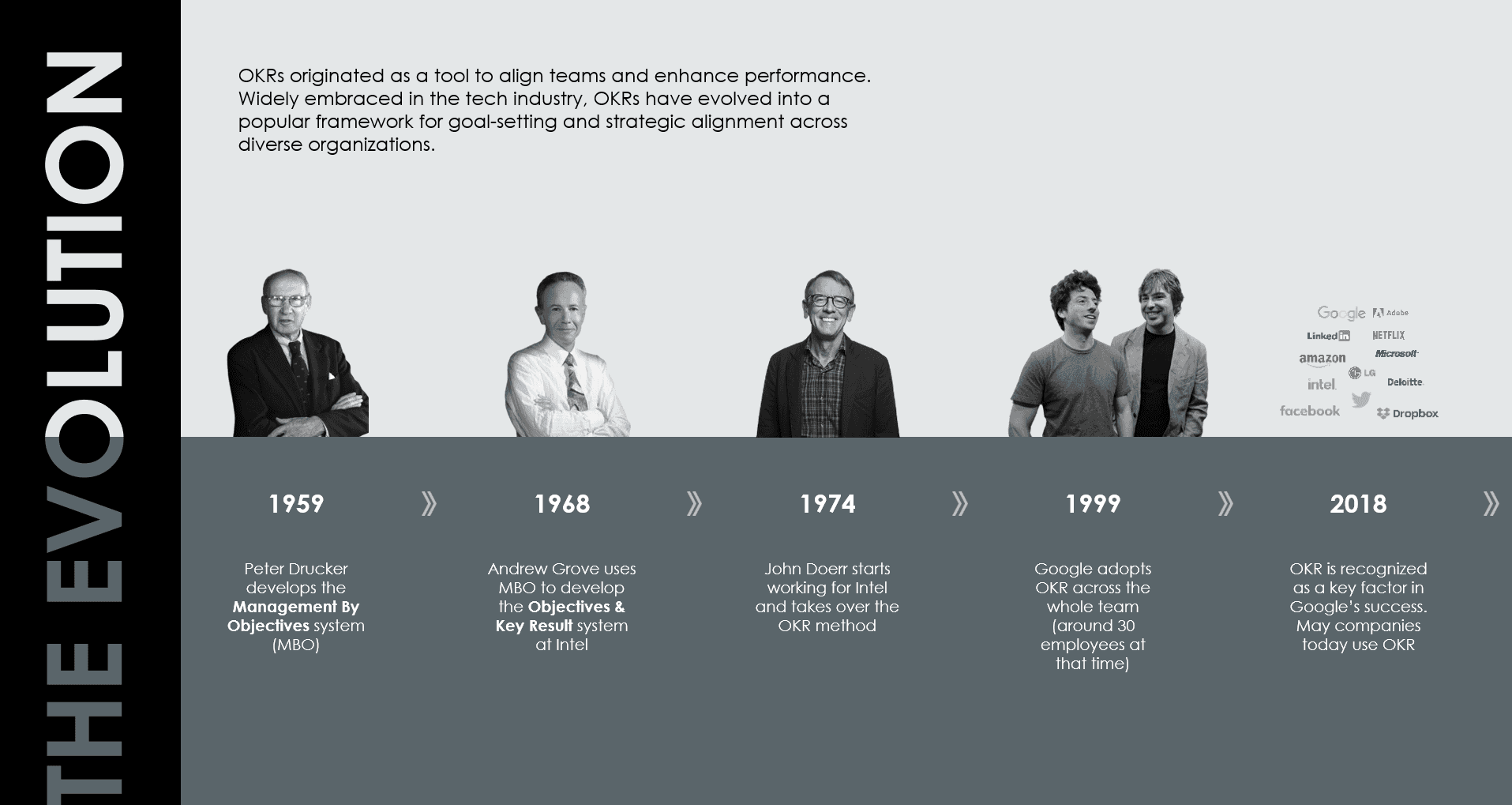
Need a professional deck, like, yesterday? When a custom design can wait but looking sharp can’t, our templates are your secret weapon. For a small one-time fee, get instant access to expertly designed, ready-to-use templates for everything from OKRs and Gantt charts to financial reporting. It’s your shortcut to a brilliant presentation.
Get started now. Grab our professional presentation templates. Download now!
Discover our instantly downloadable templates:
👉 Financial Reporting Template
👉 HR Management Template
👉 OKR Template
👉 Communication Models Template
Or explore our complete portfolio of presentation templates.
These articles might also interest you:
Rhetoric & Public Speaking
👉 Rhetorical Question: The Question That Needs No Answer
👉 Presentation Techniques Training - How to Own the Room
👉 Public Speaking Course: Classic Goals, Modern Tools
👉 Presentation Skills Training: Invest In Yourself
👉 Presentation Techniques: What’s the Secret to a Compelling Presentation?
👉 Which is the Best Presentation Tool?
👉 Why You Need Presentation Training
👉 How to Give a Great Presentation: 6 Steps to Plan the Perfect Pitch
👉 Corporate Presentation — One-Time Cost, Lifetime Value
👉 Which is the Best Presentation Tool? Hint: You’re Asking the Wrong Question
👉 Presentation Techniques – Why Great Presenters Are More Than Just “Good Speakers”
Pitch & Presentation making
👉 The Uber pitch deck
👉 The Airbnb pitch deck
👉 How can a presentation training help you
👉 Why you need a pitch deck design agency
👉 Playbook 2026: How to Build a Modern Business Playbook
👉 How to Build a Modern Business Playbook
👉 PowerPoint designs – Where Visuals Serve Understanding