Presentation on Presentations: A Presentation About Presenting
How is a professional presentation structured? This unique article, written in the format of a presentation, guides the reader through the most important principles of Storylining, Storytelling, Slidewriting, PowerPoint Essentials, and Presenting, all while demonstrating the structure of a professional presentation itself.
When someone searches for a "presentation on presentations," they are likely looking for a ready-made presentation about the art of creating and delivering presentations. At first glance, this is a completely logical request. Presentations are now part of almost every profession, so it seems natural that the genre itself should have its own summary showcase.
At Pitch Experts, however, we approach this issue differently. Instead of simply publishing a downloadable presentation, we prefer to show you how a professional presentation on presentations is built. This article aims to achieve two things at once. First, it walks you through an imaginary presentation that is about the art of presenting itself. Second, after each "slide," it explains the communication or presentation technique behind it. In other words, this article doesn't just talk about presentations—it presents while doing so.
Ready to see what a professional presentation can really do for you? With 15 years of experience, we've helped our clients raise over €275 million in capital through our world-class presentation trainings and agency services.
👉 Tell us about your project, and let's build your success story together.
Slide 1 – Why Did Presenting Become a Profession?
Presentations are much older than PowerPoint. Even ancient rhetoric sought the answer to the same question: how can you structure an idea clearly, formulate arguments, and then lead an audience to a shared realization or decision? Modern presentation training is a continuation of this tradition, which is more than two thousand years old. It combines the tools of rhetoric with the possibilities of today's business communication, visual thinking, and digital technology.
👉 Presentation Techniques: Why Presentation Became a Profession
For a long time, public speaking was primarily considered the domain of politicians, lawyers, teachers, or clergy. Today, however, this picture has fundamentally changed. Engineers, startup founders, project managers, salespeople, researchers, consultants, and developers present daily. Expertise alone is no longer enough. It also needs to be made visible.
The iconic business presentations of the recent past were spectacular milestones in this change. Steve Jobs's legendary iPhone launches showed that a product launch could become a cultural event.
The first Airbnb pitch deck or Uber's early investor presentation proved that a well-structured presentation can influence the future of entire companies and markets. This is why presenting has become a professional competence in its own right. It wasn't the birth of a new genre, but the adaptation of ancient rhetorical knowledge to a new environment.
What this slide taught us: The modern presentation is a continuation of classical rhetoric, adapted to the business environment.
Slide 2 – A Presentation Doesn't Start with PowerPoint
Most presentations start with the same mistake. The presenter opens PowerPoint or another presentation software, selects a template, gives the first slide a title, and then starts producing one slide after another. However, a presentation is not built from slides but from ideas. For a professional presentation, it's worth grabbing a pen and some blank sheets of paper or even small index cards. Write down your most important ideas, then start playing with their order. Which idea follows from another? Which question needs to be answered first? What is the single message you want your audience to take away?
If you want to present a problem, the SCQA model can be an excellent starting point. It builds the line of thought from the situation, the complication, the key question, and finally, the answer. If you want to prepare a decision or justify a business proposal, the Pyramid Principle can provide a solid logical structure.
Only when these questions are clear is it worth opening the presentation software.
And if you are preparing for a common business scenario — like a corporate presentation, a product presentation, or a pitch deck — or you are wondering how to create a sales pitch, it's worth checking out professional presentation templates. They don't replace thinking, but they offer proven structural solutions for situations that occur daily in business.
Pitch Experts calls this competence Storylining. Because a good presentation always starts with structuring the line of thought, not with the slides.
What this slide taught us: Structure always precedes visual design.

Slide 3 – Every Presentation Leads to a Decision
Many people think of a presentation as a means of transferring information. But that's just the surface. In reality, behind every good presentation is a question that the audience needs to answer. Often, this answer is quite simple: I understand, I accept, I support it, I'll try it, let's meet again. Or even: I'll buy it, I'll order it. This is why we say that every presentation leads the audience toward some kind of decision. This isn't manipulation or pressure, but rather guidance.
A good presenter thinks through the questions that will lead the audience to their own decision and then adjusts the presentation's logic accordingly. This is also why the same topic can have a completely different structure in different situations. An investor presentation answers different questions than a corporate introduction. A sales presentation prepares for a different decision than an internal management report. A presentation, therefore, doesn't exist for its own sake. It is always created to define a next step.
What this slide taught us: A good presentation is not a collection of information, but a consciously constructed path to a decision.
👉 Public Presentation Tips: 7 Ideas You Can Use Before Your Next Presentation
Slide 4 – Storytelling Doesn't Start with a Story
There's a situation that happens in many companies these days. Someone is tasked with giving an important presentation. The task itself is a major challenge. Then, they remember that everyone is talking about storytelling lately. They start to wonder: What story should I tell? A funny childhood memory? A touching customer story? An inspiring quote? The problem here isn't the story, but the sequence. It's putting the cart before the horse. Storytelling isn't about making sure every presentation has a story. It's needed because there are some ideas that people understand most easily through stories. Therefore, the story is not an end in itself or a mandatory element, but a point of connection.
It helps make a problem visible and a situation relatable. It helps us understand how the proposed solution appears in reality. That's why this story can be real or even fictitious, as long as it portrays a genuine human situation and aids understanding. It shouldn't distract the audience but bring them closer to the topic. Good Storytelling is never about the story itself. It's about what we understand with the help of the story.
What this slide taught us: The goal of Storytelling is not entertainment, but to create understanding and connection.
Slide 5 – A Slide Is Not a Notepad, but a Surface for Thinking
Many presenters see a slide as a reminder. They write down everything they want to say, then read or follow the text on the screen during the presentation. At first glance, this seems like a safe solution. In reality, however, it causes two problems. First, the audience reads faster than the presenter speaks. By the time the presenter reaches the end of the second sentence, the audience is already at the bottom of the slide. From that point on, two different communications are happening at the same time.
Second, an overcrowded slide forces the audience to read, interpret, and listen to the presenter simultaneously. This significantly increases their mental load. Professional Slidewriting, therefore, is not about writing more text, but about aiding thought. A good slide carries a single main message. It clearly shows connections and helps navigate through information. It doesn't take away attention but frees it up. That's why it's worth asking a simple question after creating each slide:
If someone is encountering this topic for the first time, will they understand exactly what they see?
If the answer is uncertain, the problem isn't with the audience's attention. The slide is likely not yet doing the job it was designed for.
👉 Presentation Techniques: Slidewriting – The Toughest Discipline in Any Presentation
What this slide taught us: A good slide doesn't provide more information, but greater understanding.
Slide 6 – Why Does the World Use So Many Different Presentation Tools?
If a presentation consisted of only a few slides, there probably wouldn't be so many professional software options. PowerPoint, Google Slides, Keynote, Canva, Prezi. And alongside these, new online platforms and AI-based solutions are constantly emerging. This alone shows that presenting has become an independent professional field. However, the advancement of technology can easily distract from what's essential.
Many people think that a new feature or a spectacular animation automatically results in a better presentation. Experience shows the exact opposite. Technology is at its best when it disappears behind the message. When the audience remembers not the transition effect you used, but what they understood. The role of presentation software is not to become the main character, but to invisibly support the presenter. That's why consistency is particularly important for an organization. It’s not necessary to know every platform at the same level. It's far more important to choose the tool that best fits the company's operations and then build a common work culture around it.
👉 Which is the Best Presentation Tool? Hint: You're Asking the Wrong Question
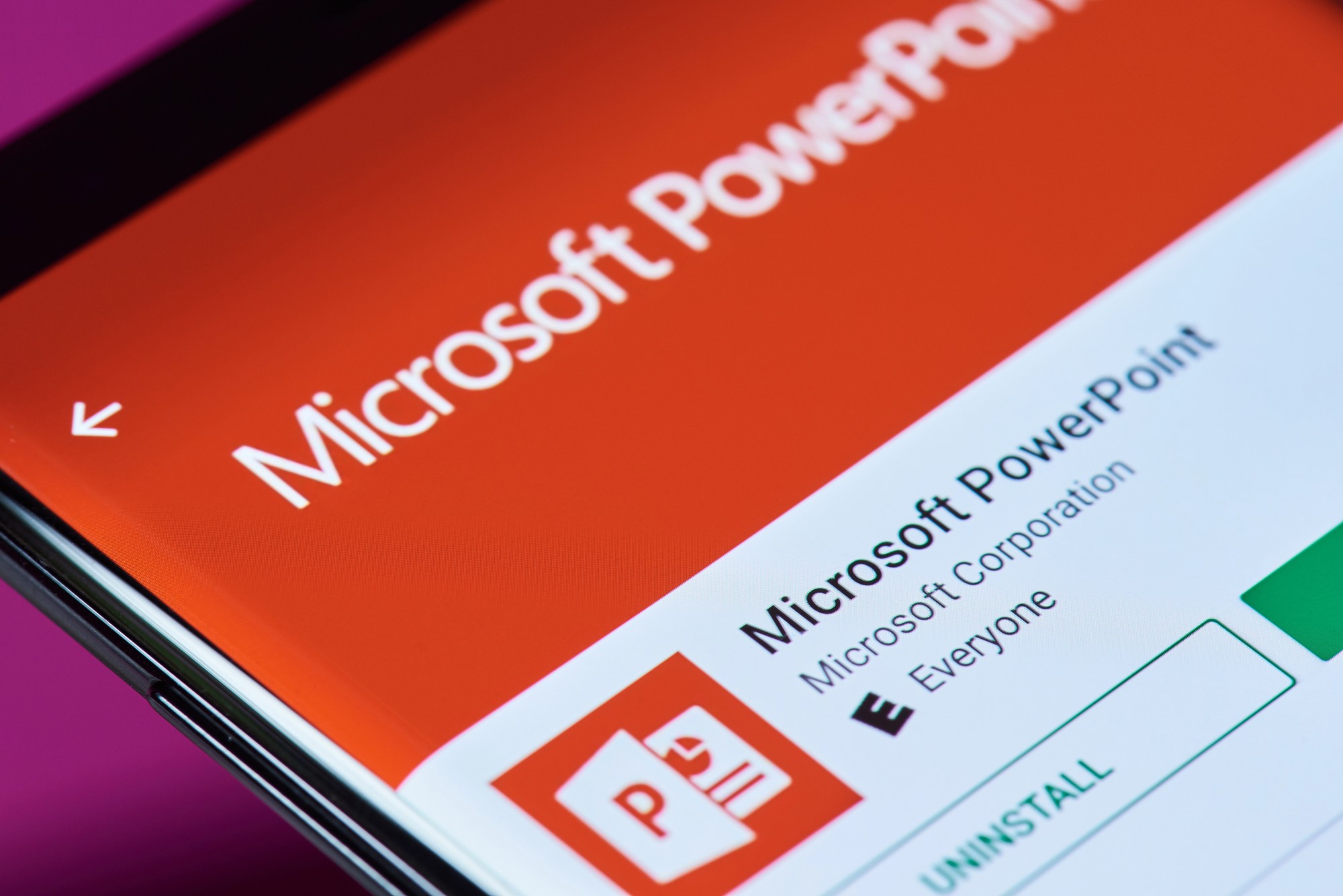
Of course, not every employee needs to reach the same level of knowledge. A manager has different tasks than a marketer or a consultant who creates presentations daily. The goal is not for everyone to become a "black belt" PowerPoint user, but for everyone to confidently use the tool they need for their own work. We call this the PowerPoint Essentials approach.
👉 Presentation Techniques – PowerPoint Essentials: When Software Mastery Becomes Your Competitive Edge
What this slide taught us: Technology is at its best when it disappears behind the message.
Slide 7 – Presenting Is Not a Performance, but a Service
When someone says, "I'm afraid of presenting," they are rarely afraid of the act of speaking itself. They are much more afraid of being the center of attention. What will they think of me? Will I mess up? Will I forget my lines? Will I be credible? In such cases, the focus constantly returns to oneself.
Professional presenters, on the other hand, make an interesting mental shift. They don't focus on themselves, but on the audience.
They don't ask, "Am I performing well?" but rather, "Can I help my audience understand something?" This fundamentally changes the atmosphere of the presentation. It is no longer an exam, a performance, or an act. It becomes a shared thinking process. The Presenting module, therefore, doesn't teach charisma, acting, or stage mannerisms. It teaches presence. The kind of attention that is directed simultaneously at the topic, the audience, and the communication situation.
👉 10 Public Speaking Tips to Make Your Presentation More Than Just Pretty Slides
What this slide taught us: A good presentation is not a performance, but a service.

Slide 8 – Did You Know? Presentation Competencies Are Now Taught as a Unified System.
Many people think that presenting consists of a few useful tips and a lot of practice. In reality, it is now an independent training field. Professional presentation training doesn't teach isolated tricks but develops interconnected competencies. That's why today's training sessions can provide answers to questions that might not seem related at first glance.
What are real presentation techniques? Do different rules apply to an online presentation compared to an in-person meeting? How can a Pitch Deck Design Agency help? How does a company introduction differ from a sales presentation? What Is a Pitch Deck? How to Use a Presentation Template Perfectly? Do you need to create a presentation differently if you're delivering it in person versus simply sending it via email? What does effective Presentation Skills Training entail? What is a Rhetorical Question? Why is a presentation template based on a corporate identity an advantage?
Discover our instantly downloadable templates:
👉 Financial Reporting Template
👉 HR Management Template
👉 OKR Template
👉 Communication Models Template
I want to see Pitch Experts' work!

PowerPoint Master Template
GovRadar

Master Template
Mazars

Playbook
ZUCKER.
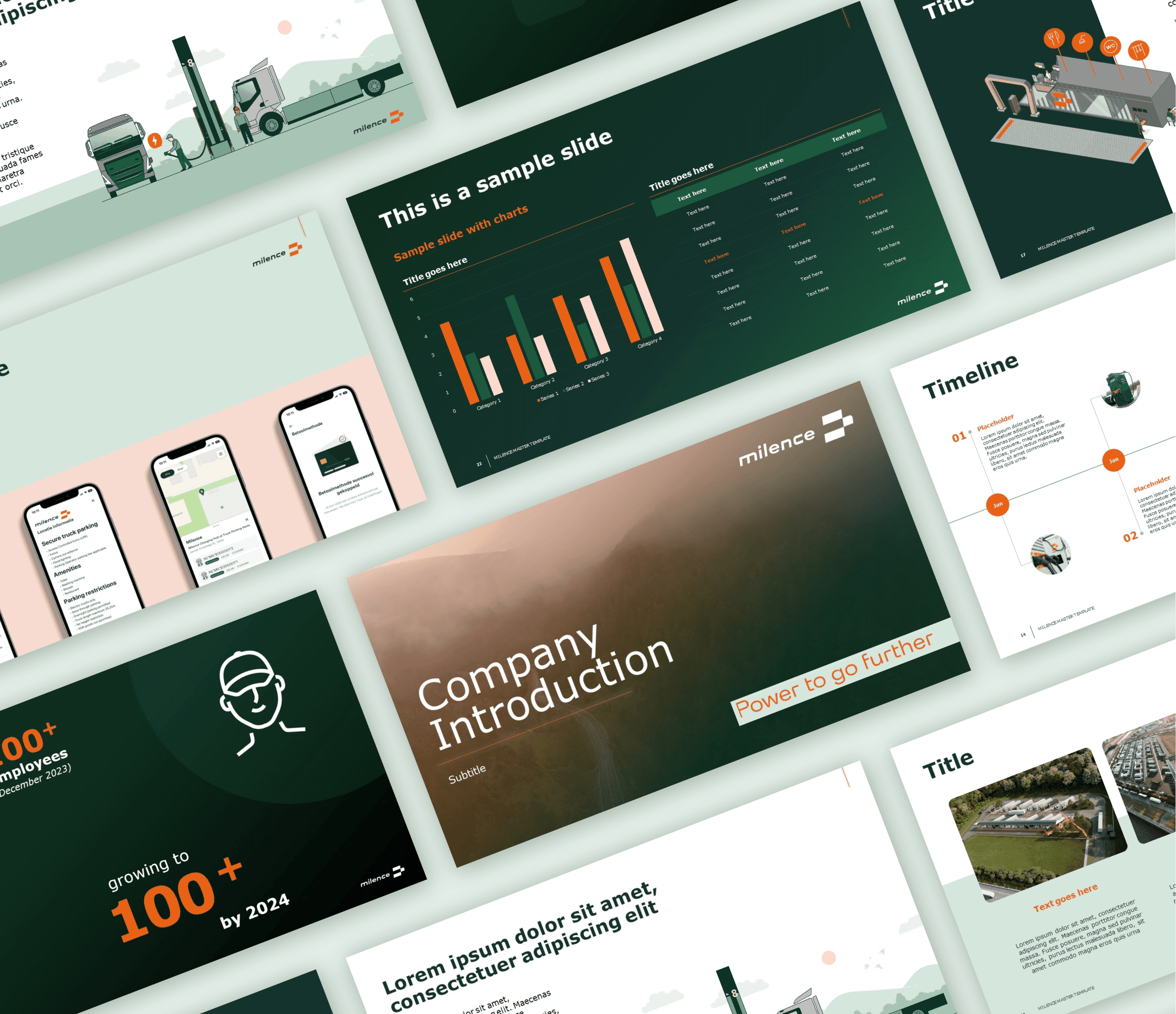
Storytelling & Animations
Milence
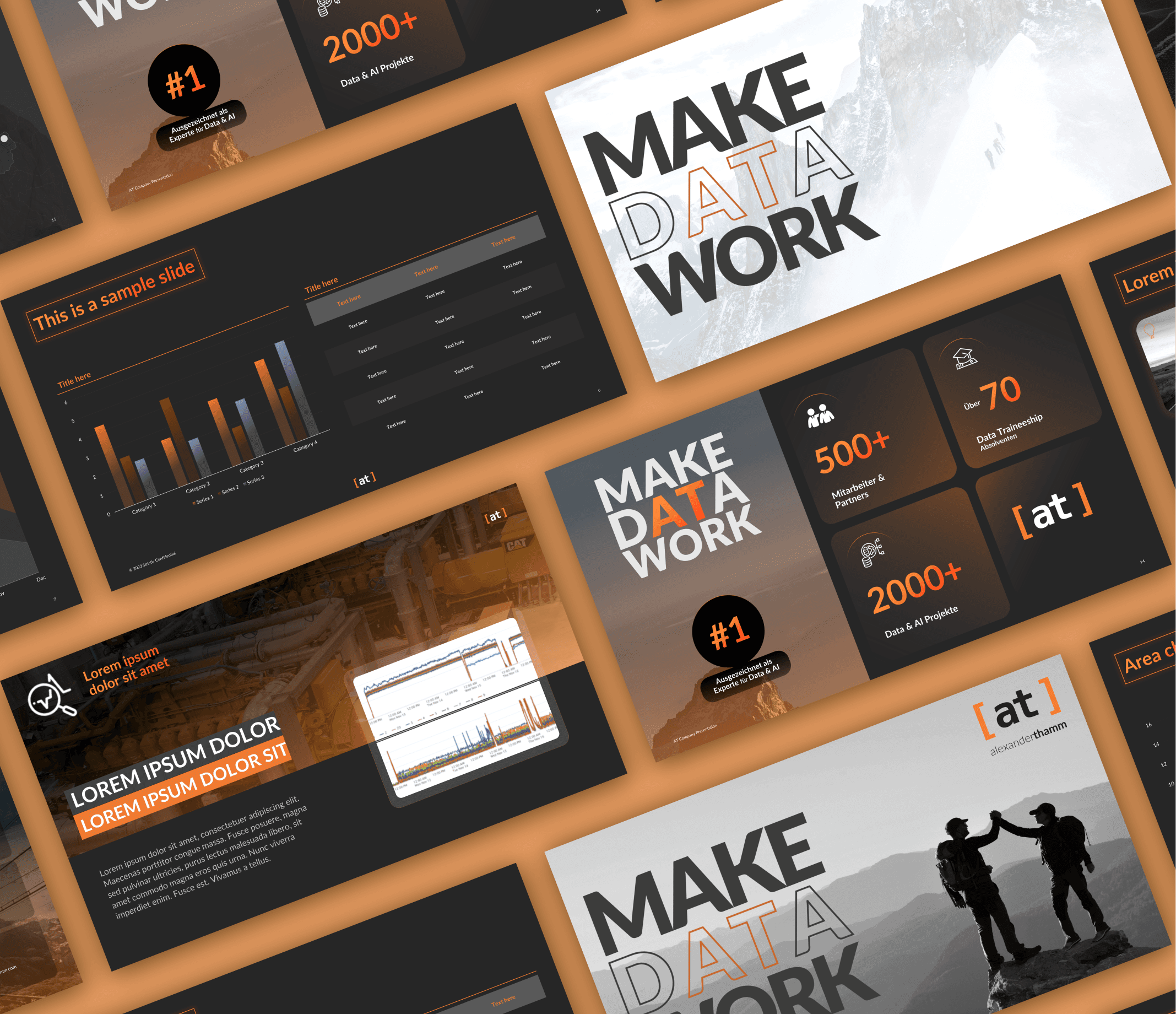
Master Template
Alexander Thamm
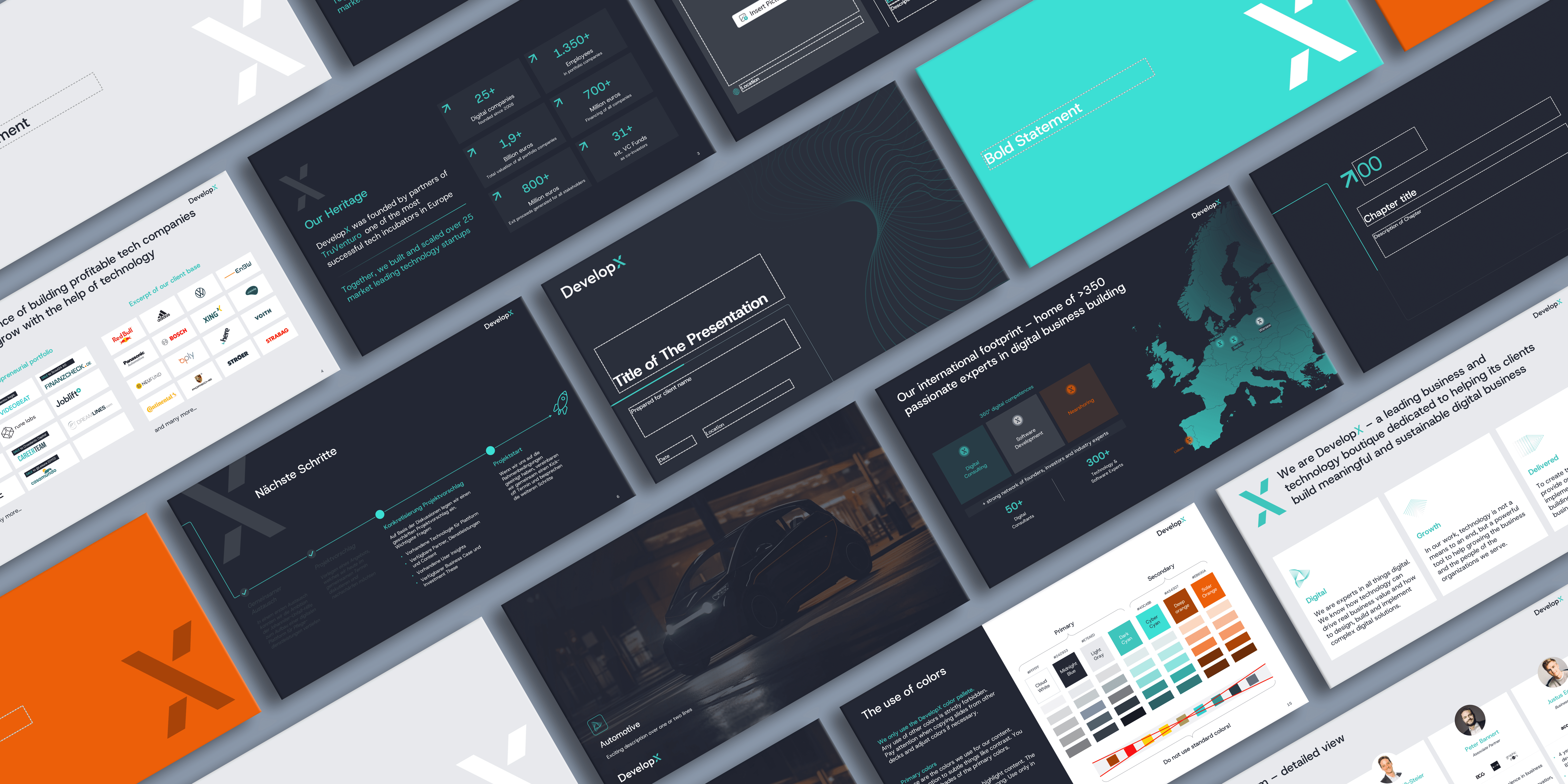
PowerPoint Master Template + Company Presentation
DevelopX

Master Template, Storytelling
Genioo

Investor Deck
Airtime
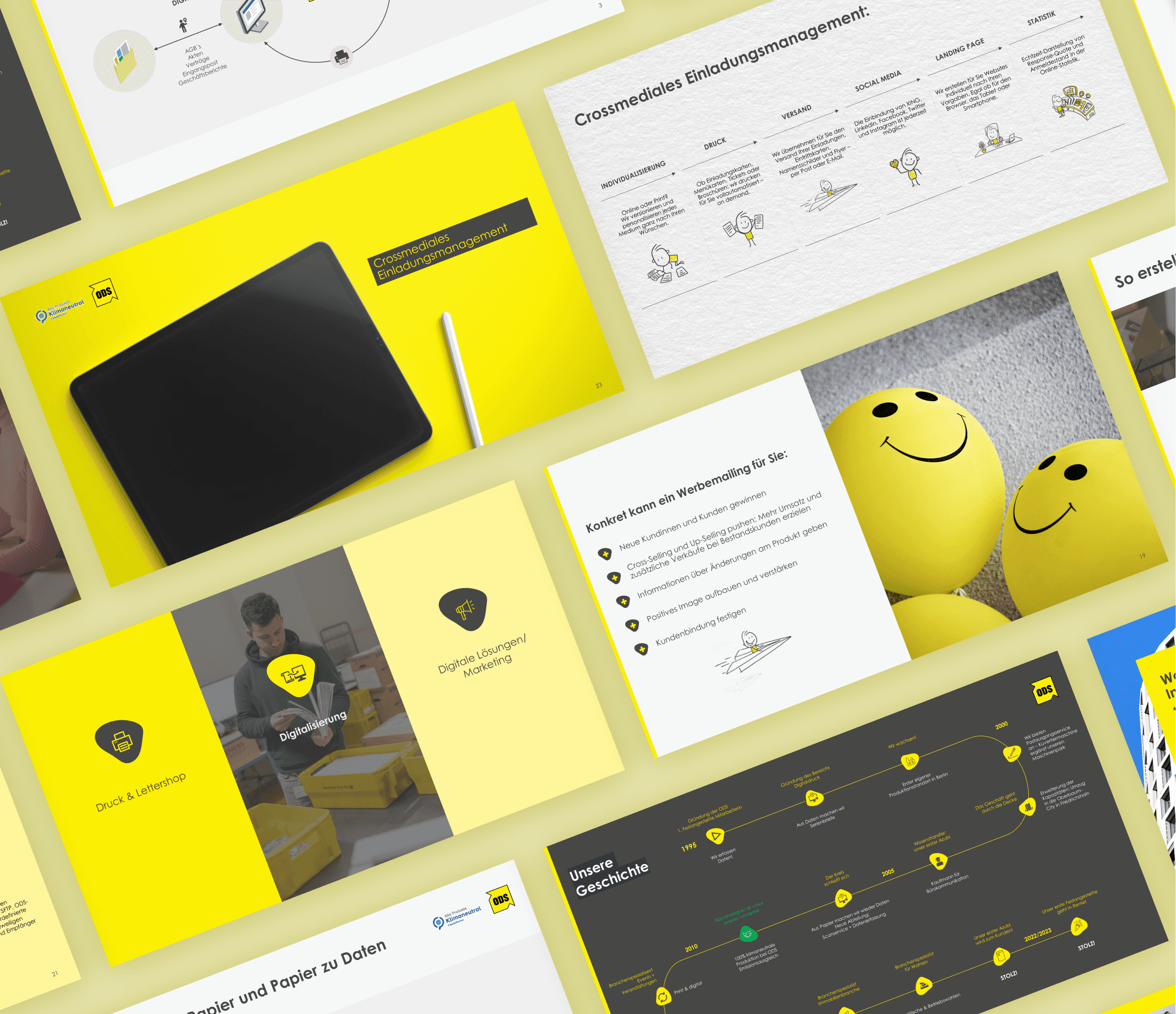
Storytelling & Playbook
Office-Data-Service
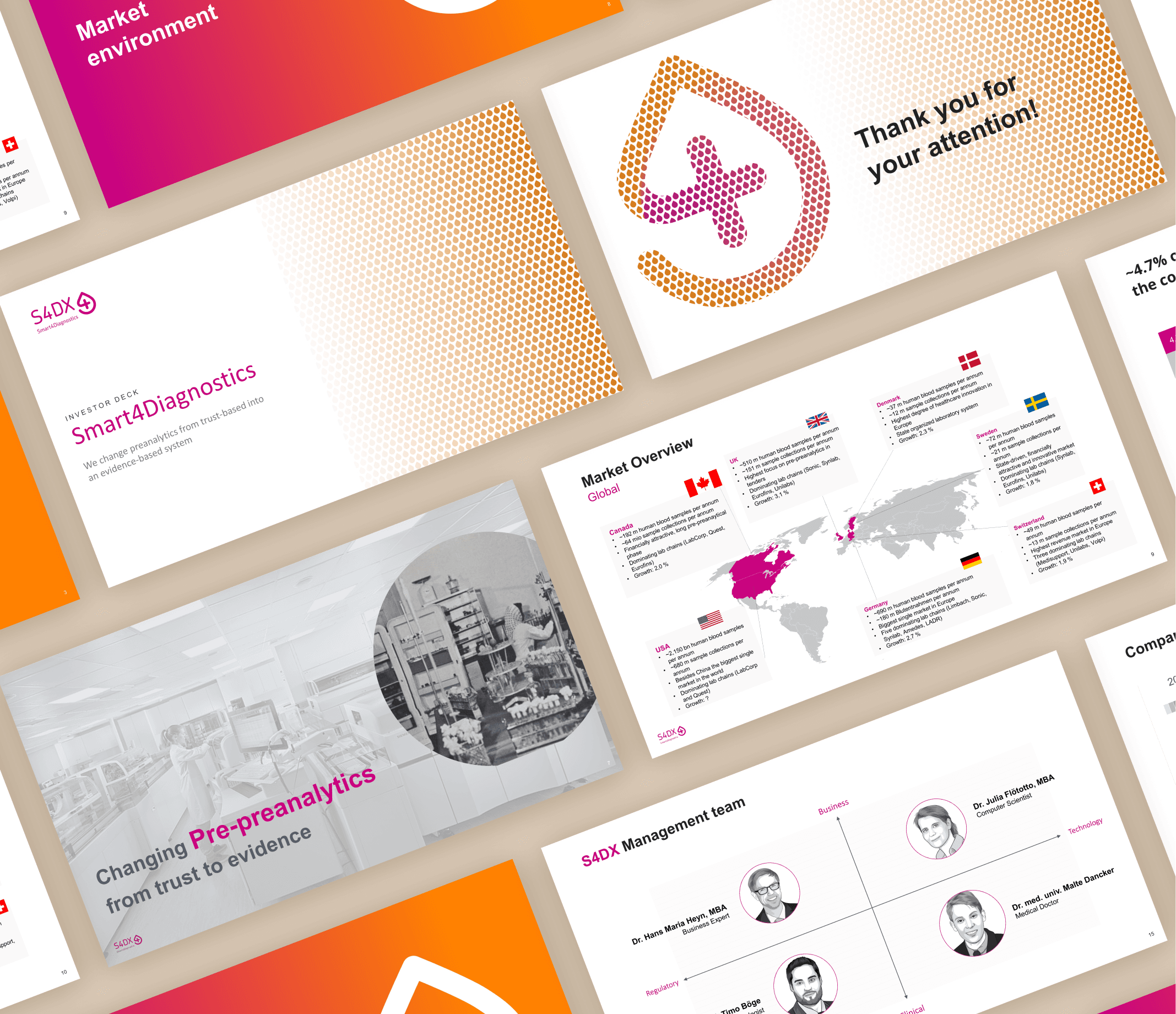
Investor Deck
Smart4Diagnostics
Modern presentation training doesn't give separate answers to these questions but builds a system. The Storylining, Storytelling, Slidewriting, PowerPoint Essentials, and Presenting modules together form a competency system to which further genre-specific knowledge can be added later. This is why you can build on the same foundation to develop skills in online presentations, international speeches, investor pitches, or executive communication. Presenting is not a one-time task but a professional skill. And like any professional skill, it can be learned.
What this slide taught us: Professional presenting can now be taught and developed as a unified system of competencies.
Slide 9 – The Presentation on Presentations Is Over. Your Own Is About to Begin.
If you've made it through this article, you haven't just read about presentations—you've also walked through an imaginary one. You've seen how the opening, logical structure, story, visual communication, technology, and delivery build upon each other. You might not have even noticed, but you followed the same principles that structure a professional business presentation.
Of course, a real presentation is much more than this. It involves a presenter, an audience, shared attention, questions, and reactions. That special communication space that is unique to every good presentation. However, this article has perhaps revealed the most important insight: presenting is not magic. It is not an innate talent or a collection of clever tricks, but a craft with centuries of tradition that can now be consciously learned, developed, and passed on.
And if, before creating your next presentation, you don't start by opening the first slide but by first thinking about your main message, then this presentation on presentations has already achieved its goal.
👉 I want to learn more about Pitch Experts' presentation training!
👉 I need a corporate presentation template. Discover our presentation design service!
You might also be interested in these articles:
👉 Public Speaking Course: Classic Goals, Modern Tools
👉 Canva Alternatives: Professional Presentation Design by Pitch Experts with Decades of Experience
👉 Presentation templates: Your Instant Solution & Fully Custom Presentation Playbook
👉 How How to Give a Great Presentation: 6 Steps to Plan the Perfect Pitch
👉 The Public Speaking Coach: Your Partner in Business Thinking
👉 PowerPoint designs – Where Visuals Serve Understanding
👉 Why You Need Presentation Training
👉 Presentation Training in Munich: Why It’s a Different Ball Game Here
👉 Product Presentation 2026: Crafting a Cognitive Interface for Your Audience